Living Near Solano Avenue Albany: What to Expect
July 2, 2026
July 2, 2026
If you want a neighborhood where daily errands, casual dinners, and weekend routines feel easy, living near Solano Avenue in Albany is worth a closer look. This part of Albany offers a compact, connected lifestyle that appeals to buyers who care about both convenience and neighborhood character. From how you get around to what the housing fabric feels like, there is a lot to understand before you make a move. Let’s dive in.
Solano Avenue functions as Albany’s everyday main street. According to the city, it runs about a mile from just west of San Pablo Avenue to the Berkeley border and includes local-serving shops, restaurants, services, offices, civic uses, and some housing.
That matters because the street is not just a commercial strip. It is woven into daily life. Albany describes the city as being made up largely of single-family homes and small businesses, and Solano sits right at the center of that pattern.
The street’s design also shapes the experience. City planning documents describe a main-street feel created by wide sidewalks, diagonal parking bays, curb bulb-outs, and landscaping, even though Solano is a full street-width corridor.
One of the biggest draws of living near Solano Avenue is how many day-to-day needs can be met close to home. The current business directory shows a broad mix of coffee spots, bakeries, restaurants, bookstores, specialty retail, nurseries, and professional services along the corridor.
You can see that variety in the names many East Bay residents already know, including Hal's Office Coffee, Starter Bakery, Little Star Pizza, Zachary's Chicago Pizza, Cafe Raj, Casa Oaxaca, Gordo Taqueria, Delhi Diner, Pegasus Books, Oaktown Spice Shop, and Flowerland Nursery. That mix gives the avenue a practical rhythm, not just a destination feel.
For many buyers, that translates into a lifestyle where you can pick up a coffee, run an errand, meet a friend for lunch, and still be back home quickly. It is a simple benefit, but it often becomes one of the most valuable parts of living in a compact neighborhood.
Solano Avenue is planned and discussed by the city as a walking-oriented corridor. The corridor study and active transportation planning identify it as a priority walking area, with community interest in slower traffic, clearer crosswalks, wider sidewalks, more curb bulb-outs, more trees, pedestrian-scale lighting, and more public gathering space.
That does not mean every improvement is finished. It does mean the city has consistently framed Solano as a place meant to serve pedestrians alongside transit riders, drivers, and bicyclists.
If you value a neighborhood where walking is part of your routine, this is an important piece of the picture. The built form already supports that main-street feel, and future conversations continue to center on making the corridor more comfortable and connected.
Albany does not have its own BART station, but it is still well connected by bus. The city’s transportation element says bus routes connect Albany with both the El Cerrito Plaza and North Berkeley BART stations.
The same city document says nearly all Albany residents live within about a three- to four-minute walk of a bus stop. For buyers who want flexibility beyond driving, that is a meaningful part of everyday convenience.
Solano Avenue itself is directly served by AC Transit Route 18 and the transbay G bus. The corridor study also identifies service from the 72, 72R, and 72M at Solano and San Pablo.
In practical terms, Route 18 connects Albany with Downtown Berkeley and Downtown Oakland, while the G serves San Francisco during peak periods. If you are comparing East Bay neighborhoods based on commute options, that mix of local and regional connections is worth noting.
Parking is part of the Solano experience, especially if you drive for errands or meet friends along the corridor. Albany Police says most spaces on Solano Avenue and San Pablo Avenue are free but limited to 90 minutes.
The first few spaces on each cross street of Solano and San Pablo are also time-limited. For residents nearby, this usually means quick access for short trips, but it also helps to know the rules before you rely on curb parking for longer stops.
This is one of those small details that shapes how a neighborhood functions. Solano is active and convenient, but like many successful neighborhood business districts, it works best when you understand how turnover and timing affect the curb.
If you like to bike or want another car-light option, Solano has some useful nearby connections. Planning documents note the Ohlone Greenway crossing at Masonic Avenue and existing bike parking along the corridor.
At the same time, the city study says bike parking is uneven and that additional pedestrian and bicycle upgrades remain part of the local discussion. That gives you a realistic picture: there is infrastructure in place, but the corridor is still evolving.
For many households, that means Solano can support a mix of walking, biking, transit, and driving rather than just one mode. That flexibility is often a strong match for how people actually live in the East Bay.
Living near Solano Avenue does not mean giving up access to parks and open space. Albany’s parks system includes Albany Hill, Memorial Park, the Bay Trail, and the waterfront and Bulb area.
Memorial Park is the city’s main community park. The city describes it as a large park with lawns, tall trees, a renovated playground, tennis courts, playing fields, a community garden, a dog park, public art, and regular use for concerts, outdoor movies, fairs, picnics, and July 4 events.
Albany Hill adds another layer to the local landscape. The city says the hill includes about 39 acres of land, with roughly 28 acres preserved as open space.
On the Bay side, the Albany waterfront includes about 190 acres on the east edge of the Bay, with roughly 88 acres of publicly owned parkland including Albany Beach, Albany Bulb, and the Plateau. The Bulb includes trails, public art, and dog-walking space, and the Bay Trail connects Albany with other Bay Area cities.
For buyers, this mix is part of what makes Albany feel balanced. You can have a walkable main street and still be close to shoreline views, larger open spaces, and neighborhood parks.
A neighborhood often reveals itself through how people use its shared spaces. In Albany, Solano Avenue is also a gathering place.
The annual Solano Stroll closes more than one mile of Solano Avenue to traffic and draws close to 100,000 people, according to the city. That scale says a lot about the avenue’s role in local identity.
The city also notes that in-street outdoor dining became important for many Solano restaurants after June 2020. Together, these details point to a corridor that is not static. It adapts, stays active, and continues to function as a social and civic center as well as a retail one.
If you are considering a home near Solano Avenue, it helps to understand Albany’s overall residential pattern. The city’s general plan says residential uses occupy 37 percent of Albany and include about 343 acres of single-family housing, 35 acres of townhomes and 2-to-4-unit buildings, and 41 acres of multifamily housing.
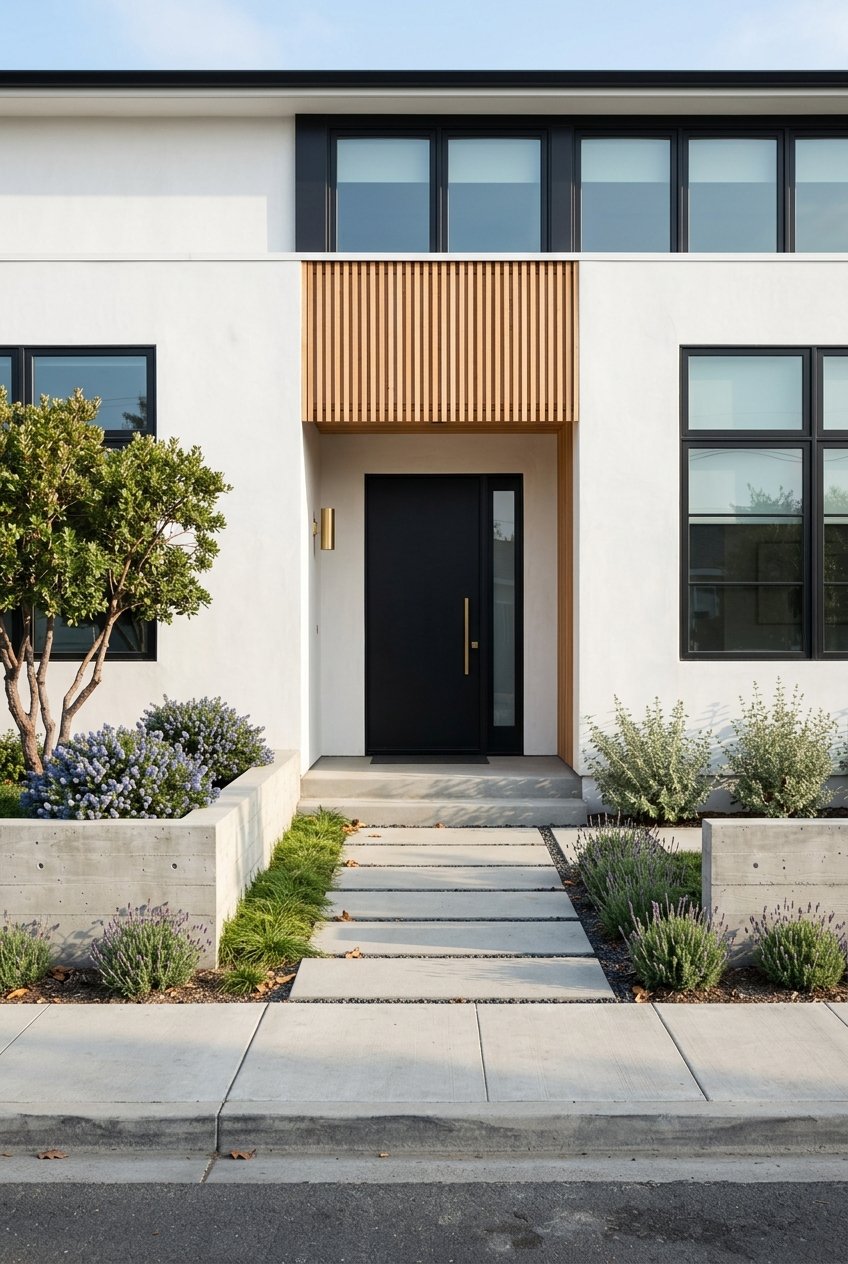
The practical takeaway is that Albany near Solano reads as compact and mostly residential, with an architecturally mixed feel rather than a large-lot suburban pattern. That compactness is part of why daily life near the avenue can feel so convenient.
The city reports a mean developed residential lot size of 4,036 square feet, and 35.7 percent of Albany’s single-family lots are smaller than 3,750 square feet. Common lot sizes include 2,500, 3,800, and 5,000 square feet.
For buyers coming from areas with larger parcels, this can be an adjustment. For others, it is exactly the appeal: a neighborhood where homes sit close enough to support walkability and a strong street presence.
Albany’s housing stock also has a distinct older-home character in many areas. The general plan estimates that about 1,500 homes were built in the 1920s and 1930s by Charles Manning MacGregor.
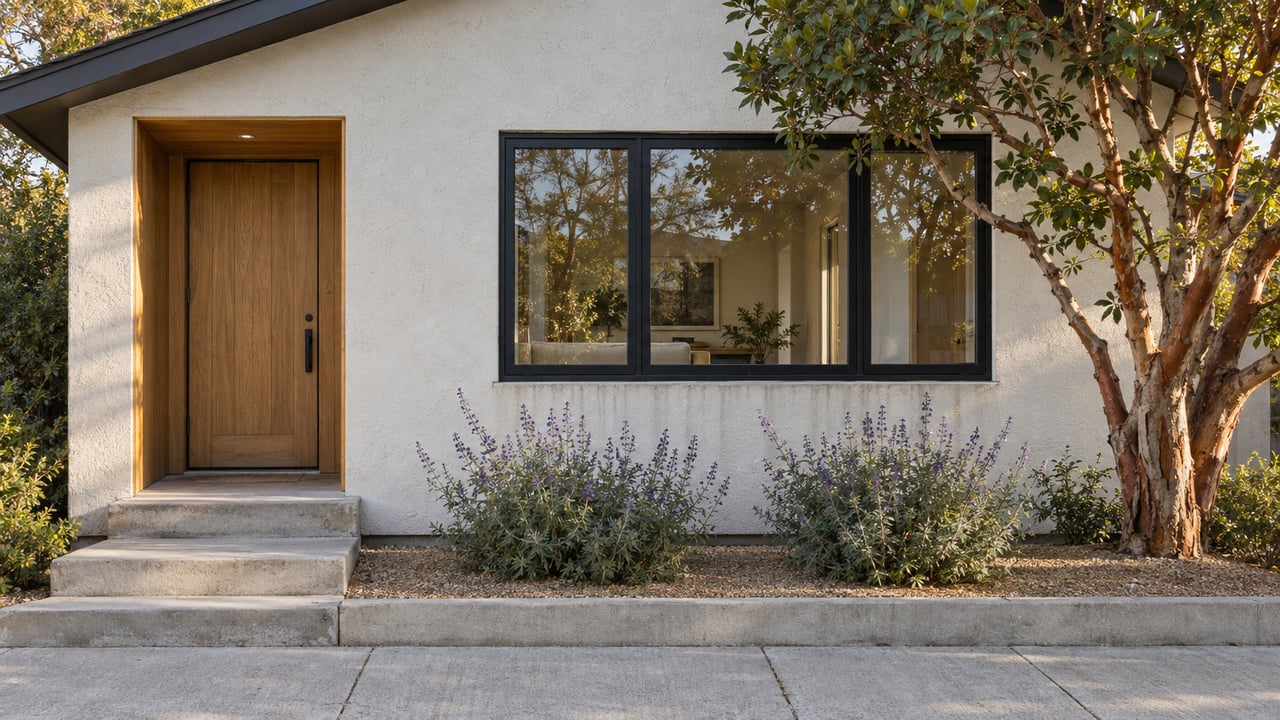
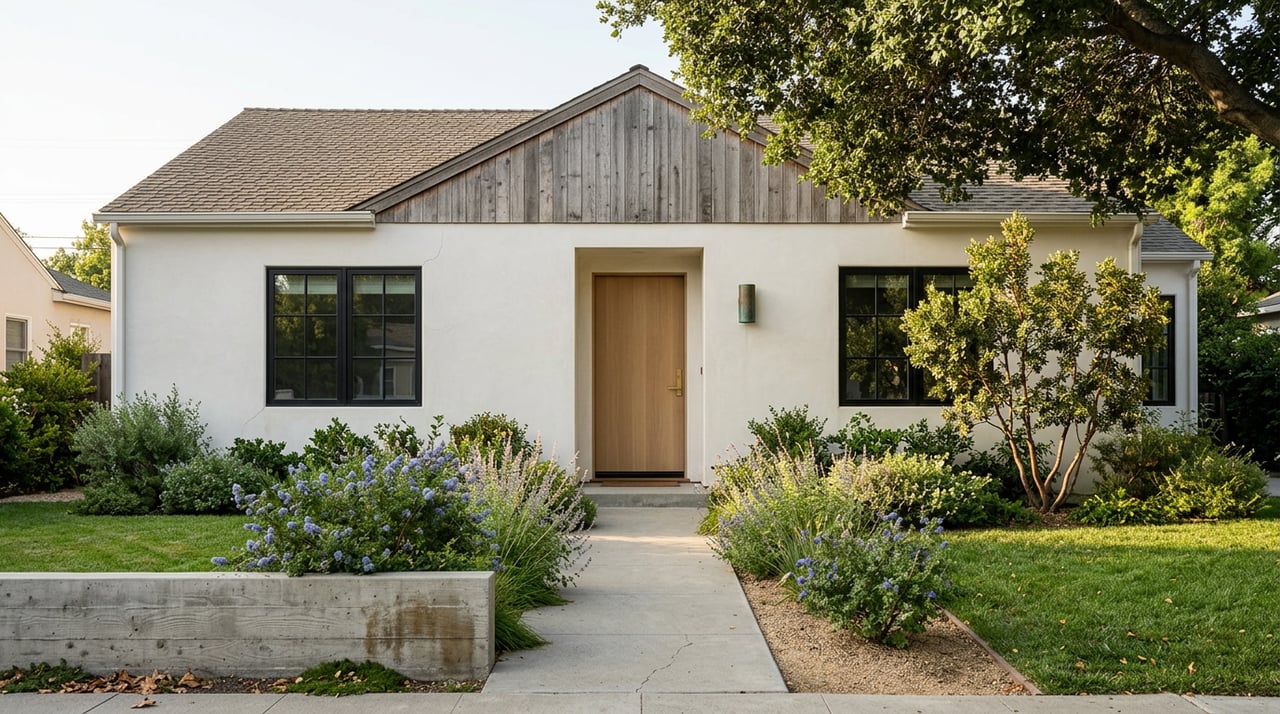
The city describes these as mostly modest two- and three-bedroom homes of about 1,000 to 1,500 square feet, often in California Bungalow or Period Revival styles. If you appreciate architecture and neighborhood texture, that history helps explain why parts of Albany feel visually layered and established.
Near Solano, the mix can become even more varied. The city notes that the area between San Pablo Avenue and Masonic Avenue historically developed with small multi-unit buildings scattered among single-family homes.
That means your block-by-block experience may change depending on exactly where you look. Some areas lean more toward detached homes with yards, while others include a more mixed residential pattern.
When you evaluate everyday living near Solano Avenue, it helps to think beyond square footage alone. The value here often comes from how location supports your routine.
You may be trading a larger lot for easier walks, quicker errands, nearby restaurants, bus access, and close reach to parks and the waterfront. For many buyers, that trade feels worthwhile because it supports how they want to live day to day.
A few questions can help you clarify fit:
These are the kinds of details that matter when you compare Albany with nearby parts of Berkeley, El Cerrito, or Oakland. The right answer depends on the lifestyle you want your home to support.
What makes Solano Avenue special is not one single feature. It is the combination of a pedestrian-friendly main street, everyday businesses, transit access, nearby parks, and a compact residential setting that feels connected rather than isolated.
For buyers who want a neighborhood that supports both routine and enjoyment, this part of Albany offers a strong case. It gives you local access, recognizable character, and a built-in sense of place.
If you are thinking about buying or selling near Solano Avenue, having clear neighborhood context can make your next step much easier. For personalized guidance on Albany homes and how different blocks may fit your goals, connect with Diana Sweet.
Stay up to date on the latest real estate trends.
Whether you are a first-time homebuyer or upgrading or downgrading and need to sell, there are always questions and concerns. I want to answer your questions and make sure you know that we can accomplish your needs and desires. Where there is a will there is a way. I look forward to working with you.