Living in Oakland Hills vs Waterfront: Which Fits Best?
June 18, 2026
June 18, 2026
If you are deciding between Oakland’s hills and its waterfront, you are really choosing between two very different daily rhythms. One offers wooded slopes, big park access, and a more tucked-away feel, while the other puts you close to marinas, public spaces, and multiple transit options. If you want to match your home to how you actually live, this side-by-side guide will help you compare the lifestyle, housing feel, and day-to-day tradeoffs. Let’s dive in.
Oakland’s hills and waterfront stand apart in the city’s planning and neighborhood pattern. City documents describe the hills as a hillside residential environment with steep slopes, views, and lower density as you move upward. The waterfront has a long maritime and industrial history, but today areas like Jack London Square and Brooklyn Basin mix housing, recreation, dining, and public access.
In simple terms, the hills often feel elevated, wooded, and more private. The waterfront tends to feel flatter, more open, and more publicly active. If you are trying to picture your future routine, that contrast matters as much as the home itself.
The hills are shaped by topography, trees, and outlooks. This part of Oakland is closely tied to redwoods, canyons, ridge views, and winding residential streets. The overall experience is less about street bustle and more about landscape.
Oakland’s planning documents also support a broad mix of hillside housing forms. You see homes designed around slopes and views, along with detached houses on terraced sites and homes with decks or outdoor spaces that take advantage of the setting. For many buyers, that creates a strong sense of retreat without leaving Oakland.
One of the biggest draws of the hills is immediate access to nature. Joaquin Miller Park spans 500 acres and includes redwood groves, oak woodlands, meadows, creeksides, and multi-use trails. Reinhardt Redwood Regional Park offers an even larger forest setting with 1,833 acres a few miles over the ridge from downtown Oakland.
The East Bay Skyline Trail adds another layer to the lifestyle. It brings long ridge-top views and connections to several East Bay parks. If your ideal weekend includes a trailhead, quiet scenery, and fresh air close to home, the hills make that easy.
For many residents, Montclair Village functions as a practical neighborhood hub. It sits in the tree-covered Oakland Hills and includes more than 200 retailers, restaurants, and services, along with community events like an art walk, outdoor cinema, holiday stroll, and Sunday farmers market. That gives hill living a village-based rhythm for errands and casual outings.
Transportation in the hills is often more dependent on your exact address. AC Transit serves Montclair Village, including local and Transbay service, and the area is just off Highway 13 with parking available. Still, for deeper hill locations, the day often starts with a drive or bus trip downhill to reach a freeway or a larger transit connection.
Oakland’s waterfront offers a very different pace. Instead of wooded slopes and winding roads, you get broader views, flatter streets, and more direct access to public activity. It tends to feel more urban, more social, and more connected to the shoreline.
Today’s waterfront lifestyle is centered in places like Jack London Square and Brooklyn Basin. These districts combine housing with parks, dining, entertainment, walking routes, and public gathering spaces. If you like stepping outside and having things happen around you, the waterfront often delivers that more naturally.
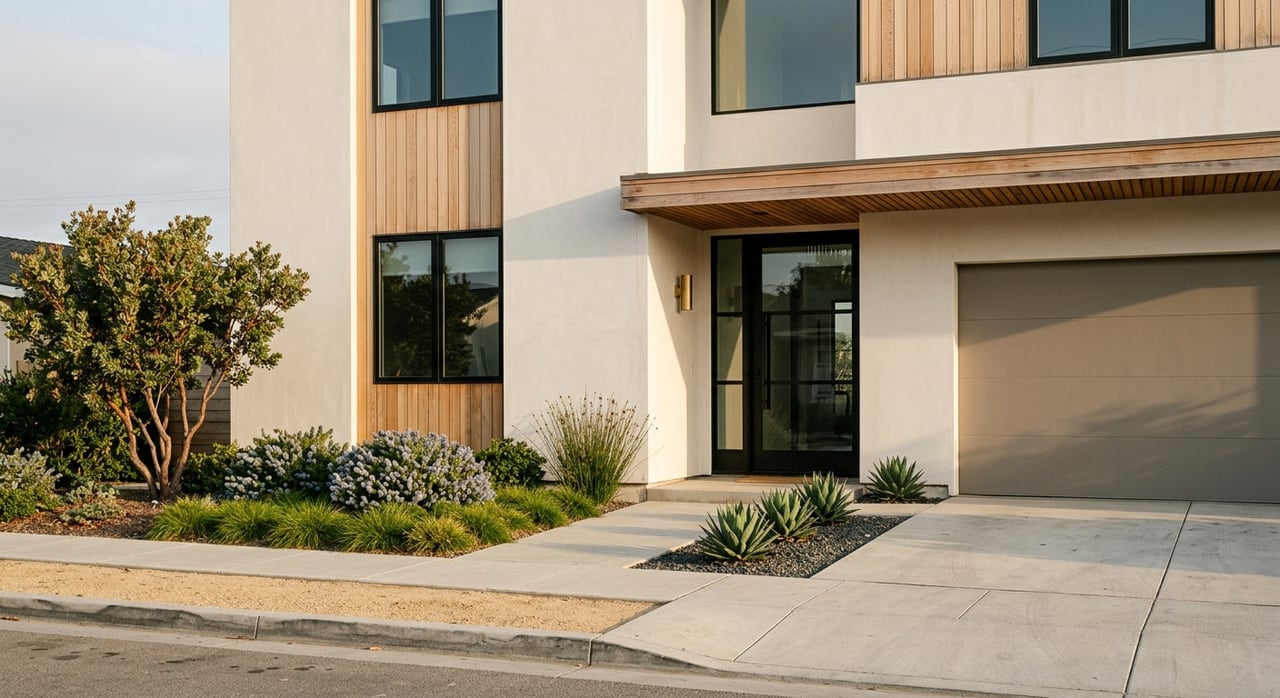
The housing feel along the waterfront is typically more contemporary and mixed-use. Brooklyn Basin and Channel House emphasize modern waterfront residences, while older buildings in Jack London Square have been adapted for offices and live-work lofts. Compared with the hills, the waterfront generally leans more toward apartments, condos, and adaptive-reuse spaces.
That distinction matters if you are focused on home style and layout. Buyers who want a more detached-home setting may be drawn to the hills, while buyers who enjoy a modern, lock-and-leave feel may prefer the waterfront. The built environment supports two very different ways of living.
The waterfront stands out for its transportation options. Jack London Square has a nearby Amtrak station, access to the 12th Street Oakland BART station, year-round San Francisco Bay Ferry service, and bike access including the Bay Trail. Brooklyn Basin also adds weekday shuttle service to BART, Uptown, Downtown Oakland, and Jack London Square.
That creates a more walk-out-the-door routine. Depending on where you live, errands, commuting, waterfront walks, dinner plans, and events can all happen within the same area. For buyers who want flexibility beyond the car, the waterfront has a clear practical edge.
If you are choosing based on how you want your free time to feel, this may be the most useful comparison. The hills tend to center on quiet recreation, neighborhood routines, and access to open space. The waterfront is more about public activity, events, and social energy.
In the hills, much of the appeal comes from trails, wooded surroundings, and neighborhood centers like Montclair Village. A typical weekend might include coffee, a farmers market, a park walk, and local errands without much need to leave your part of town. The atmosphere is often calmer and more residential.
On the waterfront, the activity level is broader and more outward-facing. Jack London Square features a weekly farmers market with yoga and live music, along with dining and entertainment options like Yoshi’s and Plank. Brooklyn Basin adds waterfront parks, walking and biking routes, and estuary recreation that keep the shoreline active and visible.
A useful way to decide is to think less about labels and more about habits. Where do you want your weekday mornings to start? What kind of environment helps you recharge? How much do views, trails, transit, or public activity matter to you on a normal Tuesday, not just on a sunny Saturday?
The hills may be a better fit if you want:
The waterfront may be a better fit if you want:
When you tour Oakland neighborhoods, try to look beyond the listing photos. Pay attention to how the streets feel, how easy it is to run errands, what kind of outdoor space is nearby, and whether the setting matches your pace of life. A beautiful home can still feel wrong if the surrounding routine does not fit you.
This is especially important if you are deciding between two areas that offer such different experiences. The right choice often comes down to your daily priorities, your preferred home style, and how you want to move through the city. A thoughtful neighborhood match can make every part of homeownership feel easier.
If you are weighing Oakland’s hills against its waterfront, a guided search can help you compare homes with the full lifestyle picture in mind. Diana Sweet offers personalized buyer and seller representation across Oakland and the East Bay, with a methodical, design-aware approach to finding the right neighborhood fit.
Stay up to date on the latest real estate trends.
Whether you are a first-time homebuyer or upgrading or downgrading and need to sell, there are always questions and concerns. I want to answer your questions and make sure you know that we can accomplish your needs and desires. Where there is a will there is a way. I look forward to working with you.