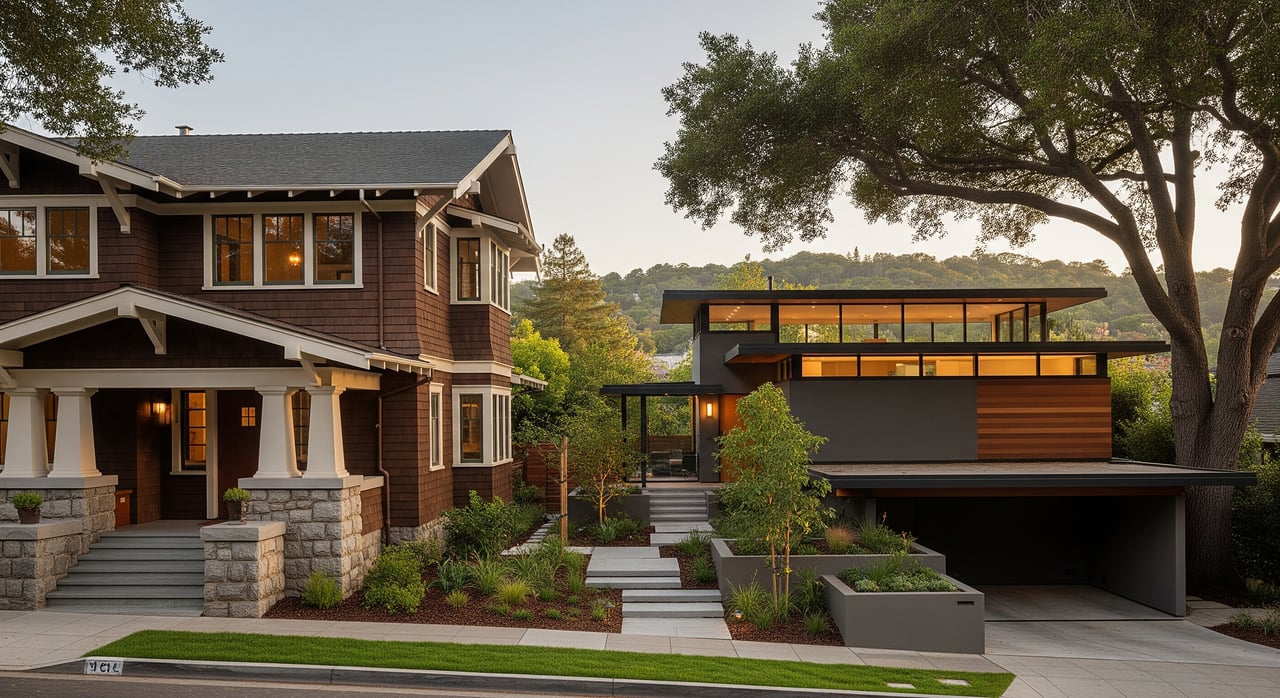
Berkeley Craftsman vs Midcentury Homes: Which Fits You?
February 5, 2026
February 5, 2026
Torn between a detail-rich Craftsman and a bright midcentury ranch in Berkeley? You’re not alone. Both styles deliver charm and livability, but they feel very different day to day. In this guide, you’ll learn how floor plans, light, inspections, permits, budget, and resale play out locally so you can choose with confidence. Let’s dive in.
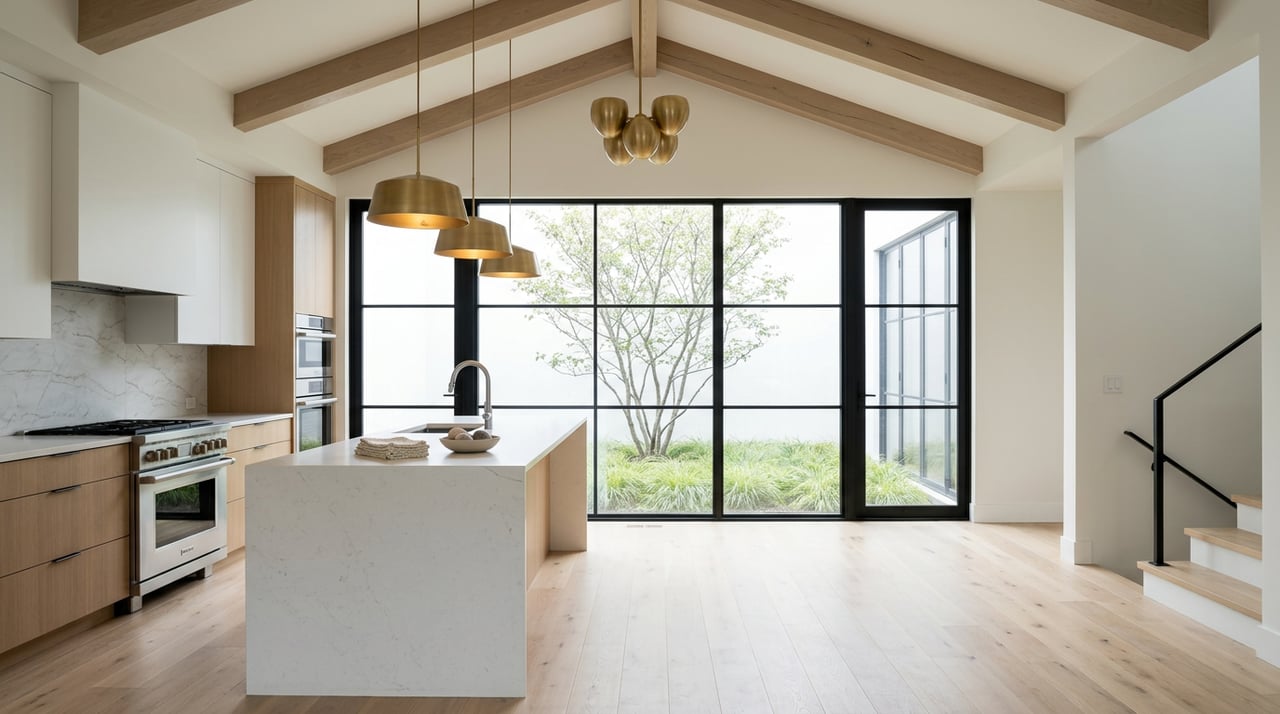
Craftsman homes usually have compartmentalized rooms with a formal entry, living room, dining room, and a separate kitchen. Many are 1.5 to 2 stories with bedrooms upstairs and built-ins that add storage and character. Midcentury homes tend to open up the main living areas and often offer single-level or split-level layouts for easier circulation. If you want open living, the midcentury plan often suits day-to-day life.
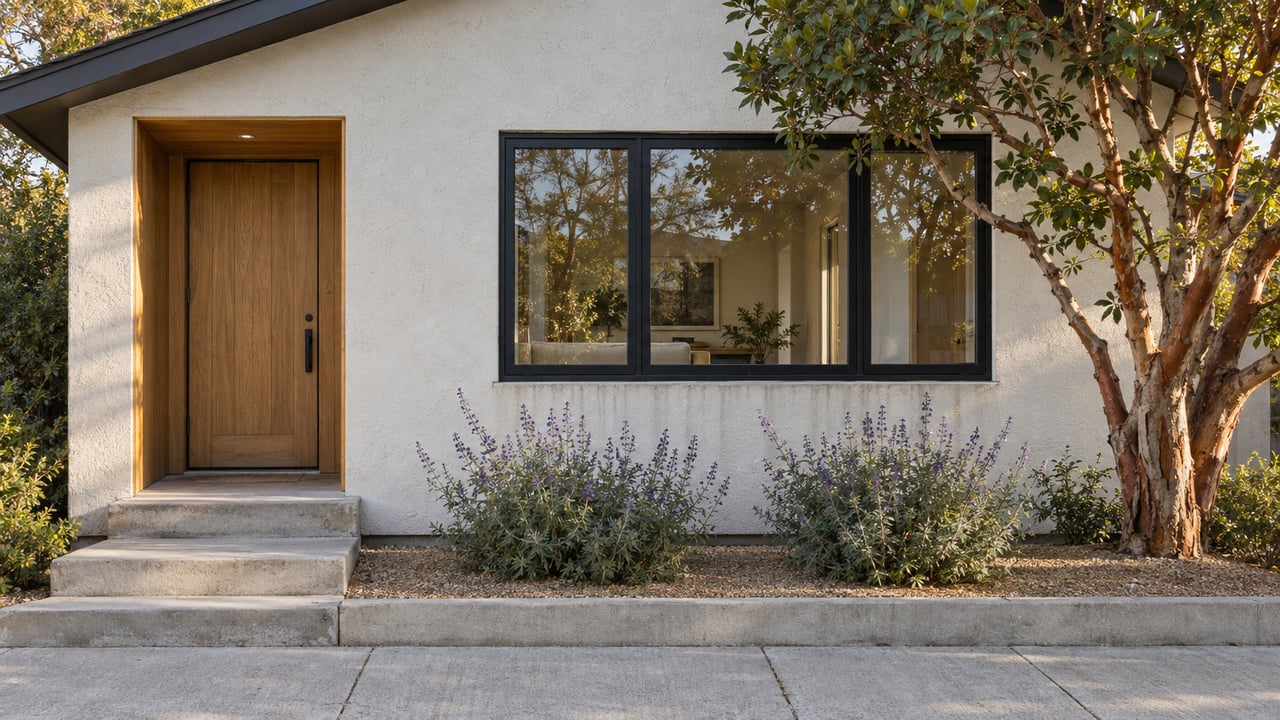
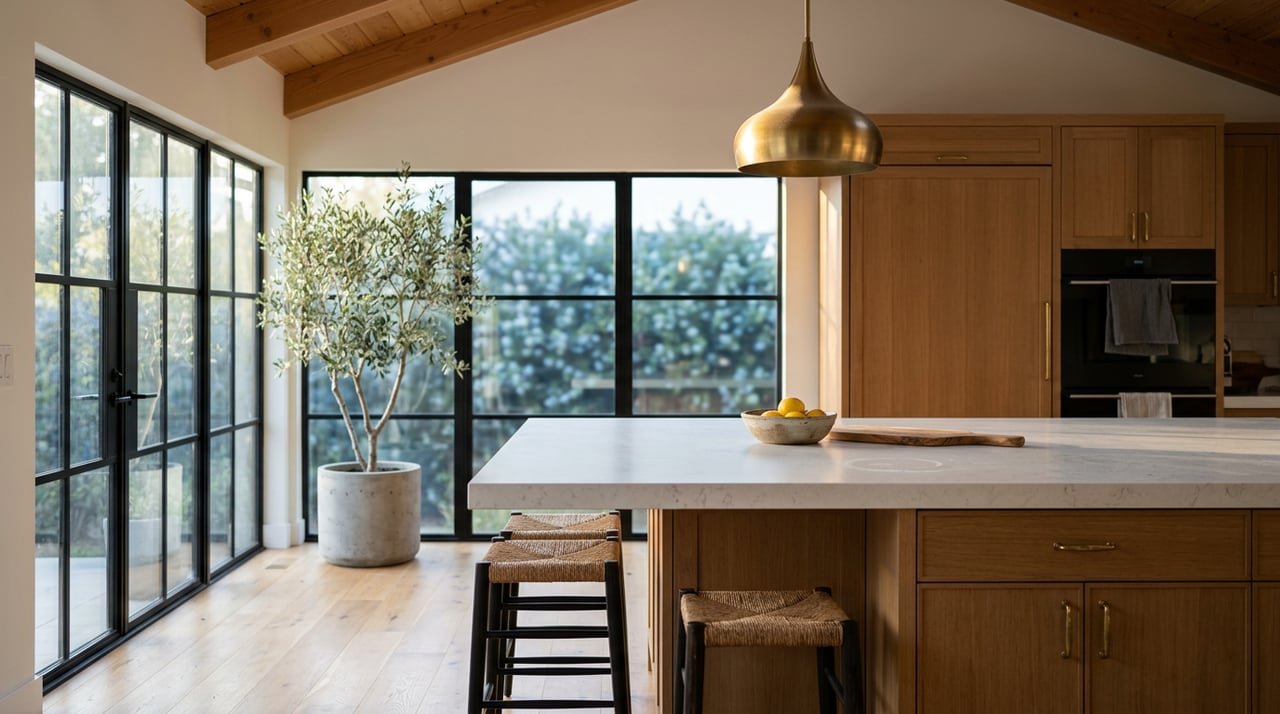
Craftsman homes often have grouped, smaller windows and deep eaves that create a cozy, sometimes dimmer feel. Midcentury design favors picture windows, clerestories, and sliders that pull in light and connect to the yard. Vaulted or higher ceilings in midcentury living spaces add a sense of volume that you may feel the moment you walk in.
Craftsman interiors feature wood trim, built-ins, plaster walls, and original hardwood floors. Midcentury finishes are simpler, with plywood cabinetry, large glass areas, and early drywall assemblies. Older homes of both eras may contain lead paint or asbestos in certain materials. If you plan to remodel, review the EPA guidance on lead paint and EPA information on asbestos to understand safe practices and testing.
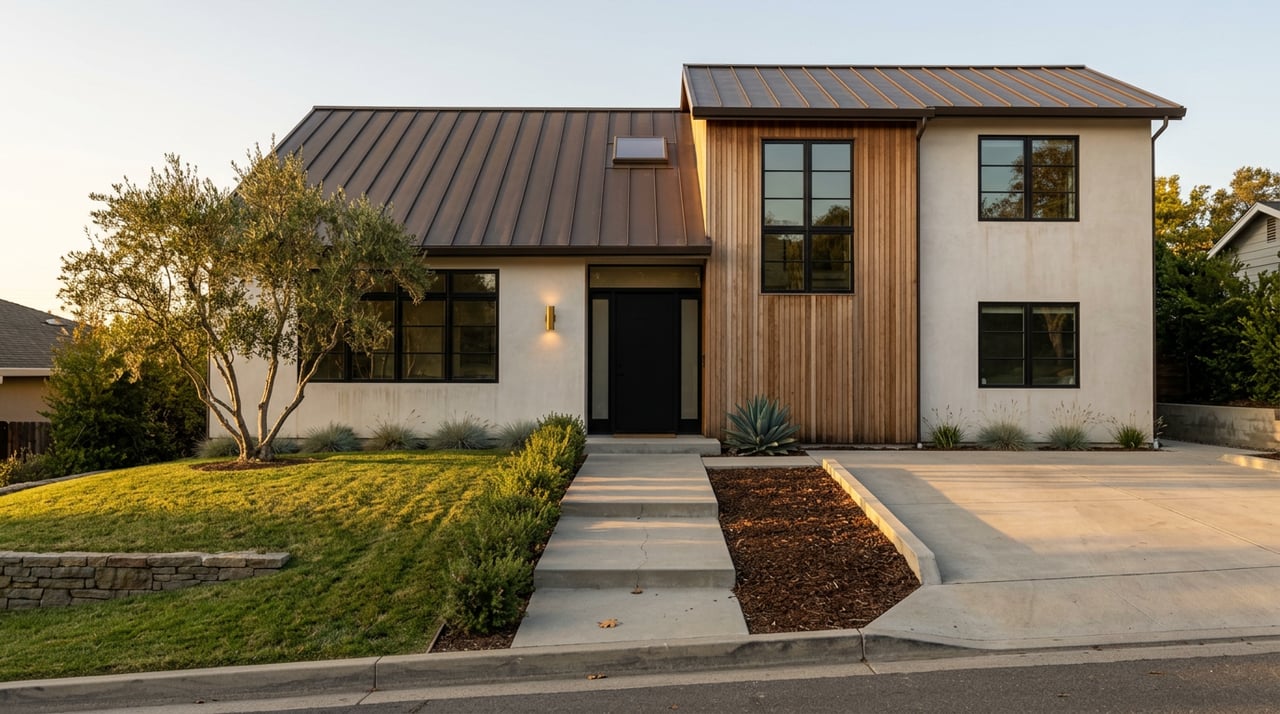
Craftsman homes lean into front-porch life and a strong street presence. Midcentury homes often orient toward views and backyards, sometimes with a carport or integrated garage. For architectural context and preservation background, explore the Berkeley Architectural Heritage Association.
For planning retrofits, the FEMA retrofit guidance is a helpful primer.
Early Craftsman homes can hide knob-and-tube wiring that may require a full rewire. Plaster walls complicate electrical work and repair. Unreinforced masonry chimneys can be seismic risks. Lead paint is likely in pre-1978 homes, so factor in safe practices per the EPA lead paint guidance.
Some midcentury properties include asbestos in flooring, mastics, or insulation, so budget for testing and potential abatement per the EPA asbestos overview. Large single-pane windows can be drafty and affect energy use. Low-slope roofs and clerestories create leak points that need careful inspection.
Before planning exterior changes, confirm whether the property is historically significant or in a designated district. Many Craftsman exteriors fall under design review, which can limit certain alterations and extend timelines. For permits, plan checks, inspections, sewer lateral requirements, and historic review, start with the City of Berkeley Planning and Development.
If you are considering an ADU, Berkeley has specific rules on setbacks and lot characteristics. Expect permits to add weeks or months, and longer for historically sensitive projects. Specialized trades like seismic retrofit contractors and plaster restoration are in high demand, so line up bids early.
For earthquake insurance considerations, see the California Earthquake Authority information on earthquake insurance.
Older homes often require investment in electrical, plumbing, seismic work, roofing, and windows. Kitchen and bath remodels vary widely in cost. Full rewires and foundation work can be significant line items, especially when plaster repair is involved. Build a 10 to 25 percent contingency for surprises.
Financing options can include conventional loans for move-in ready homes and renovation loans like FHA 203(k) or Fannie Mae HomeStyle for purchase-plus-renovation. Energy upgrades and electrification improvements may qualify for local incentives. Explore BayREN incentives and PG&E energy programs to offset costs.
Single-level midcentury layouts can make aging in place simpler. Craftsman homes reward caretaking of original millwork and built-ins, which many buyers value. Both styles benefit from insulation, efficient heating, and window upgrades to improve comfort. In the East Bay, well-preserved Craftsman homes and thoughtfully updated midcentury properties both attract strong attention. For market context and trends, consult the California Association of Realtors market reports.
Ready to compare specific homes and plan a smart offer strategy? Reach out to Diana Sweet for personalized, research-driven guidance and a curated search that matches your lifestyle.
Stay up to date on the latest real estate trends.
Whether you are a first-time homebuyer or upgrading or downgrading and need to sell, there are always questions and concerns. I want to answer your questions and make sure you know that we can accomplish your needs and desires. Where there is a will there is a way. I look forward to working with you.