Trying to decide whether to buy or sell in Berkeley this year? Timing can shape your price, pace, and negotiating power. Berkeley follows clear seasonal patterns, but local data can look confusing if you mix different sources. In this guide, you’ll learn how seasonality plays out here, what it means for buyers and sellers, and practical steps to use timing to your advantage. Let’s dive in.
Berkeley market at a glance
As of January 2026, recent closed sales in Berkeley showed a median sale price around $1.35 million, a median 20 days on market, and an average sale-to-list ratio near 119% (per Redfin’s city snapshot for that month). Zillow’s ZHVI, which is a smoothed “typical value” index, was about $1.348 million through January 31, 2026. Around the same time, weekly active-listing data from Altos reflected a lower median list price near $995,000 and longer days on market for active listings.
These differences are normal because each provider measures something different. Median sale price comes from closed sales, median list price reflects what’s currently for sale, and ZHVI is an index of estimated values. Also, Berkeley’s monthly sales counts are small, so single-month medians can swing. For the most stable view of seasonality, check month-by-month MLS statistics in the Bay East Association’s city reports. You can browse the archive of monthly PDFs here: Bay East housing market statistics archive.
Why seasonality matters in Berkeley
Like most U.S. markets, Berkeley typically sees the most buyer activity and new listings in spring and early summer. Inventory often builds from March and can peak around late June. Activity eases through fall and usually reaches the quietest point in late December and January. Local weekly dashboards in January often show very lean active inventory, which contributes to quick sell-through for well-positioned homes. You can see live listing dynamics in the Altos weekly dashboard for Berkeley.
What you can do with that insight: if you’re a seller aiming for maximum visibility, spring is your strongest stage. If you’re a buyer seeking less competition and more negotiating room, fall and winter can work in your favor. The right choice depends on your goals and timeline.
Season-by-season playbook
Spring: peak visibility, faster pace
Spring (March to May) is when listing counts rise, buyer traffic surges, and days on market often fall. National analyses show late May has historically delivered a modest price premium on average. Locally, this has also been a strong window for above-list outcomes when inventory is tight.
- Seller takeaways: Expect more showings, shorter market time, and higher odds of multiple offers if your home is well-presented and priced. You will face more competing listings, so presentation and pricing discipline matter.
- Buyer takeaways: Get fully underwritten, line up inspection strategies, and be ready to move quickly. Consider stronger terms if you’re competing, and focus on the property that best fits your long-term plan to avoid emotional bidding.
Summer: still strong, select late-summer openings
Early summer keeps momentum going. June often posts high closing counts. As summer progresses, some spring listings that missed the mark may adjust price, creating selective openings for buyers.
- Seller takeaways: If you miss a spring launch, early summer can still bring strong results. Monitor feedback quickly and adjust if traffic or offers lag.
- Buyer takeaways: Late August can surface opportunities, especially for homes that need updates or were initially overpriced. If you need a summer close, act earlier in the season.
Fall: quieter market, motivated parties
Fall brings fewer casual shoppers and a smaller listing pool. Remaining buyers are usually serious, which can reduce bidding-war frequency and open space for negotiation.
- Seller takeaways: You will face less listing competition, but the buyer pool is smaller. Be realistic on price and consider small concessions to secure a strong buyer.
- Buyer takeaways: This can be the best mix of lower competition and motivated sellers. Negotiate on repairs, credits, or closing timeline to improve total value.
Winter: lean inventory, leverage for prepared buyers
Winter is the low point for listings and foot traffic in Berkeley, though the slowdown is milder than in cold-weather markets. Well-priced homes still move, but the overall pace is calmer.
- Seller takeaways: If timing requires a winter sale, price to the moment and lean into digital marketing and flexible showings. Staging and maintenance can offset slower traffic.
- Buyer takeaways: You may see fewer competing offers and have more time for due diligence. Patience helps because selection is limited.
Neighborhood and property-type shifts
Seasonality is the big picture. Within Berkeley, micro-markets move a bit differently.
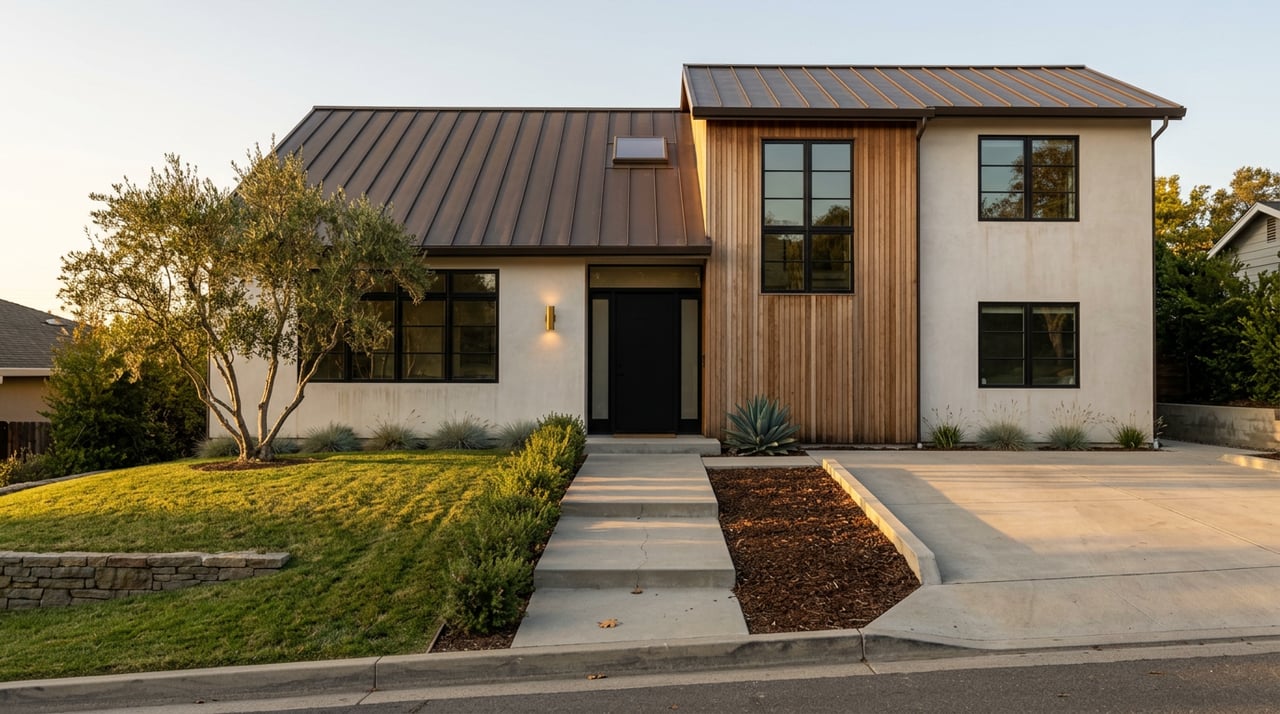
- Neighborhood variance: North, West, and South Berkeley can show different price points and speeds. Hills homes with standout architecture often draw lifestyle buyers on a slightly different cadence than flats homes with close-in conveniences. Always check recent comps for your specific area and price band.
- Property type: Condos and multi-unit properties near campus can follow distinct rhythms shaped by academic calendars and investor demand. If you are buying to rent later, review local rent-stabilization rules first. The Berkeley Rent Stabilization Board outlines regulations that can affect returns and operating flexibility.
Timing rules of thumb
- If you want maximum price and can wait: target a late March to May launch and aim to close by June or July.
- If you prefer a more discreet process: consider fall or winter with realistic pricing and a longer marketing horizon.
- If you want less competition as a buyer: target post–Labor Day through February. Expect tighter selection and lean on strong local comps.
- If you are investing to rent: understand Berkeley’s rent-stabilization framework before you write an offer.
- Weekday nuance: consider bringing a new listing to market mid-to-late week so it is fresh going into the weekend.
How to prep for a spring launch (sellers)
Use a design-forward plan to stand out in the busiest season.
- Pricing strategy: Anchor list price to recent closed comps in your micro-market, not just citywide medians. Berkeley’s small sample sizes can skew single-month numbers.
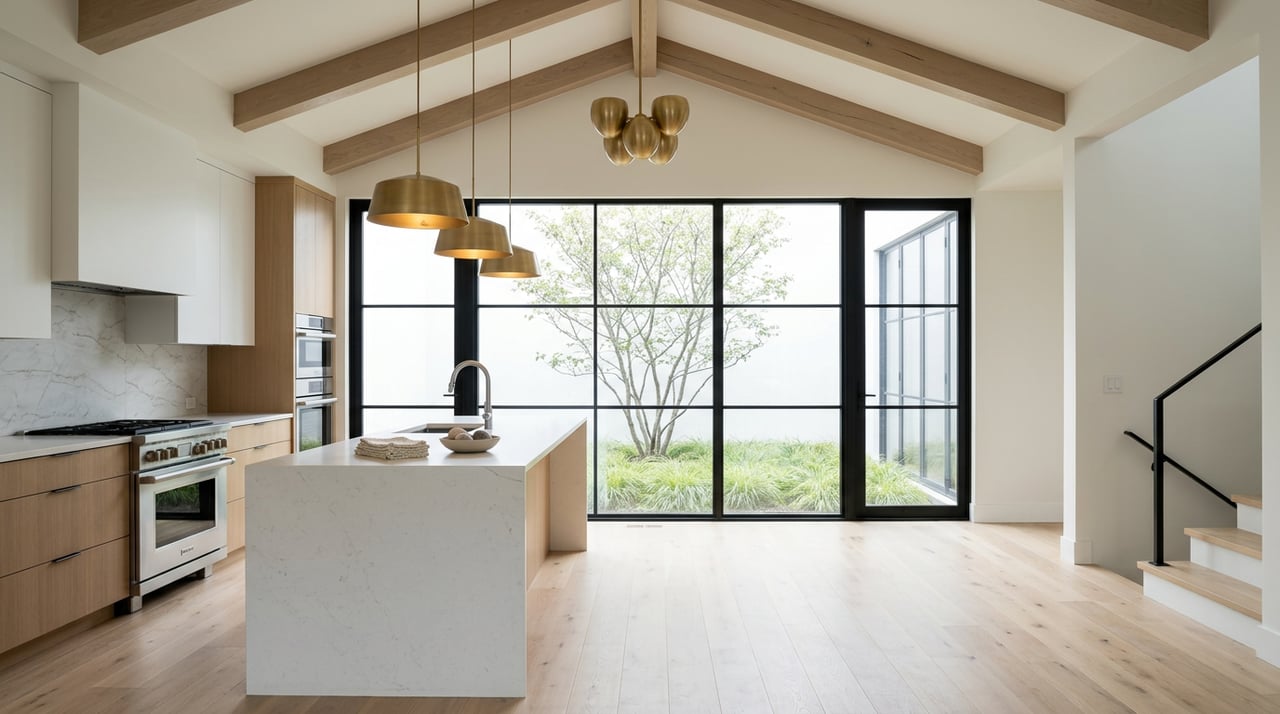
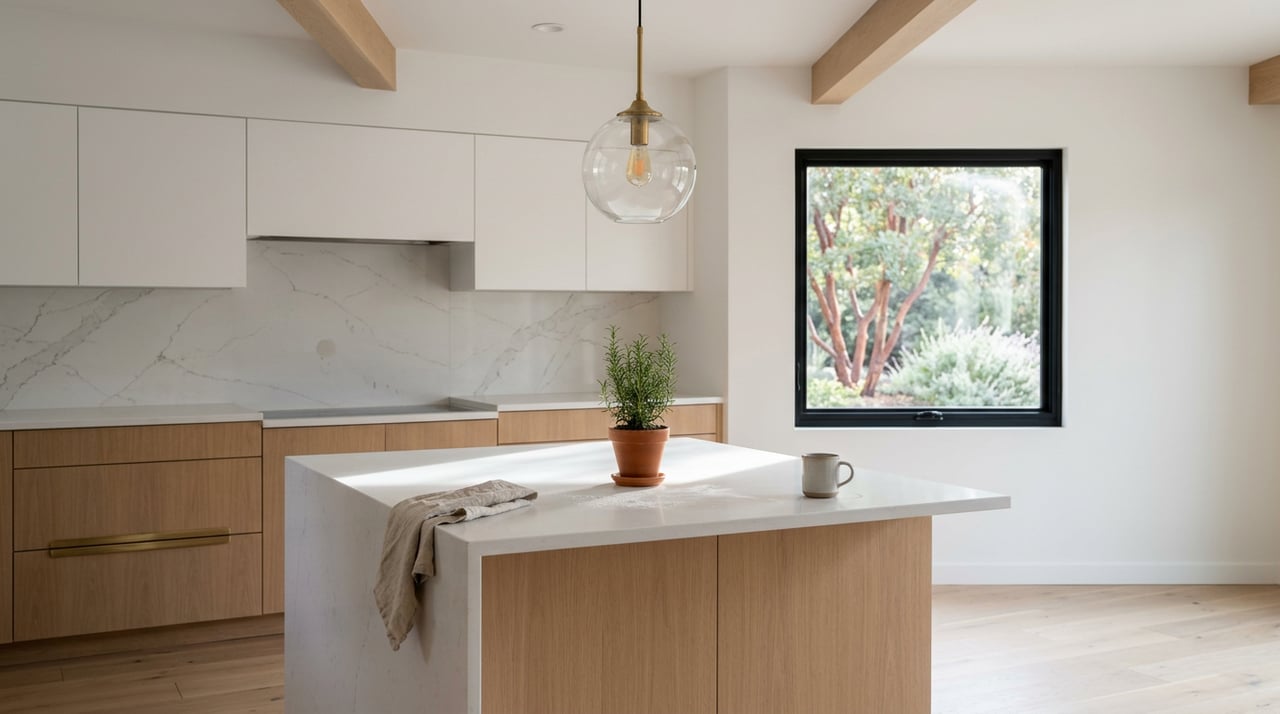
- Presentation: Calibrate paint, lighting, and minor landscaping for crisp photography. Simple, modern staging highlights light, sightlines, and materials without clutter.
- Repairs and pre-sale checks: Address safety items and obvious deferred maintenance. Consider pre-inspections so buyers feel more confident in a fast market.
- Marketing calendar: List midweek, hold a strong first weekend, and follow a tight offer timeline. Adjust quickly if traffic is below expectations.
How to shop smart in fall and winter (buyers)
Quieter seasons reward preparation and patience.
- Financing: Secure underwriting and rate-lock guidance before you tour. Knowing your ceiling prevents overbidding.
- Search discipline: Sort must-haves from nice-to-haves. Track price reductions and longer days on market for negotiation signals.
- Offer tactics: Ask for time to complete due diligence, negotiate credits instead of list price when appropriate, and propose a closing timeline that helps the seller move smoothly.
Methodology notes in plain English
- Name the metric: A “median sale price” comes from closed sales, a “median list price” comes from active listings, and “ZHVI” is a smoothed value index. They are not interchangeable.
- Date the data: Monthly snapshots shift. Always include the month and source when you cite a number.
- Use multi-month views: Because Berkeley has relatively few sales each month, single-month medians can jump. For a reliable seasonal picture, review 12 to 24 months of city stats in the Bay East housing market statistics archive.
Pro tip: If you need timing advice specific to your home or block, combine on-the-ground comps with the Bay East monthly PDFs. City averages can hide neighborhood differences.
Ready to put a timing plan in motion? With a methodical, data-first approach and a design-savvy presentation, you can meet the market at the right moment and move with confidence. If you are deciding when to list or when to write, let’s tailor a plan to your goals and timeline.
Looking for guidance tailored to your home and neighborhood? Reach out to Diana Sweet for a clear, data-driven timing strategy and a high-touch process from prep to close.
FAQs
What is the best month to sell a home in Berkeley?
- Spring and early summer typically bring the highest buyer traffic and shorter days on market, with late May often associated with modest pricing premiums in national analyses.
When is the best time to buy a Berkeley home with less competition?
- Fall and winter generally feature fewer competing buyers and more room to negotiate, though inventory is tighter, so patience helps.
How fast are homes selling in Berkeley right now?
- In January 2026, median days on market was about 20 for closed sales, indicating many well-positioned homes move quickly in current conditions.
Why do price numbers for Berkeley look different across websites?
- Each source measures something different: closed-sale medians vs. active-list prices vs. a smoothed index, and Berkeley’s small monthly counts make snapshots volatile.
Do seasonality patterns vary by Berkeley neighborhood or property type?
- Yes. Micro-markets differ by location and home type; for example, condos near campus can behave differently from single-family homes in the hills, so review hyperlocal comps.
What should investors consider before timing a purchase in Berkeley?