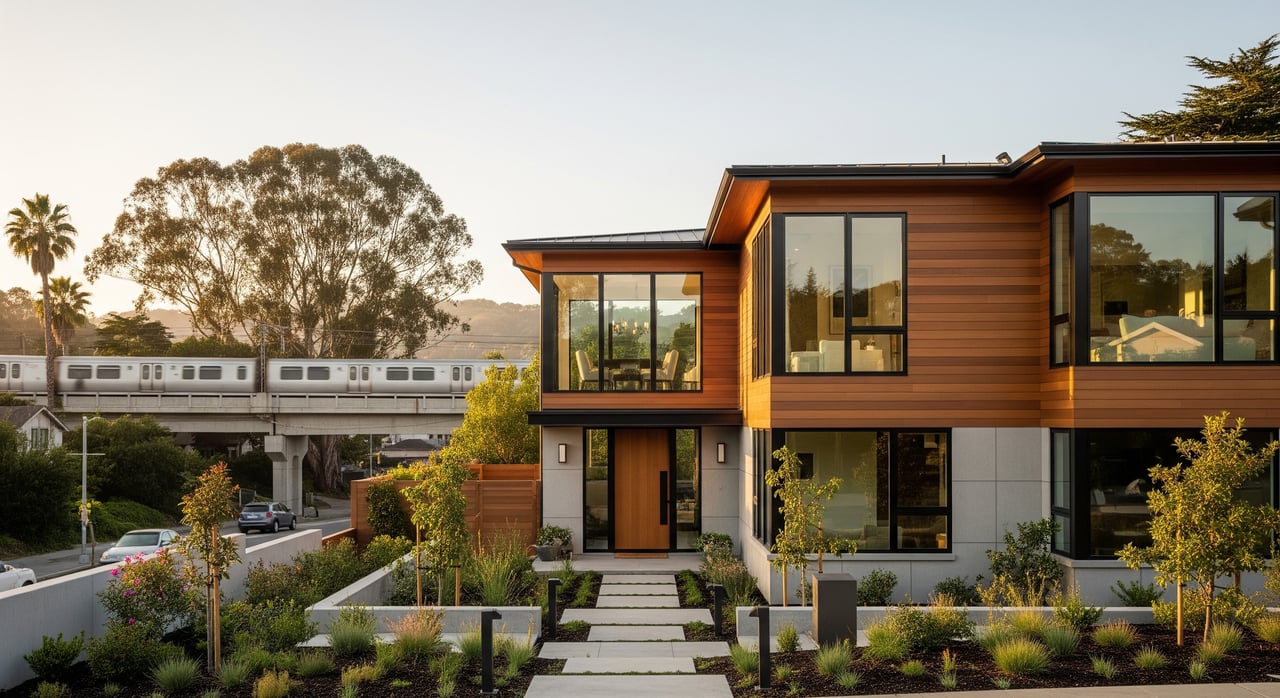
El Cerrito BART Neighborhoods: A Commute-Friendly Guide
December 18, 2025
December 18, 2025
If shaving time off your commute could change your week, living near BART in El Cerrito is worth a close look. You want a home that fits your life, not just your work schedule, and the area around El Cerrito’s two stations offers a practical blend of access and neighborhood comfort. In this guide, you’ll compare the two station areas, see what you can walk to, understand common home types nearby, and use a checklist to make a confident decision. Let’s dive in.
You have two stations serving El Cerrito: El Cerrito Plaza and El Cerrito del Norte. Both connect along the East Bay corridor with direct service to Oakland and San Francisco, plus transfers to other Bay Area job centers. Typical patterns include a short ride to downtown Oakland and a direct trip into San Francisco’s Market Street corridor.
BART adjusts service by time of day and project needs, so build your routine with current information. For timetables and real-time planning, use the official BART schedules and trip planner. You can find the latest details on the BART schedules page. For live updates on service changes and planned work, check BART rider alerts.
El Cerrito Plaza sits next to a concentrated shopping area and mixed-use development. If you want errands, coffee, and dining within an easy walk, you’ll likely appreciate the station’s pedestrian-oriented setting. Nearby housing includes small single-family homes, condos, and low- to mid-rise multifamily projects that appeal to commuters.
El Cerrito del Norte is a larger regional hub with a significant park-and-ride and major bus connections. The immediate area is more commuter-focused than village-like, but it is very practical if you plan to drive or take the bus to the station. If parking access matters to you, review policies and permits on BART’s parking page.
Think about your daily routine in walk-sheds rather than exact addresses. These time ranges help you visualize daily life from either station.
Within a few minutes, you are at the station entrance with small convenience retail, coffee, and bus stops. At del Norte, you also have the bus transfer center and parking lots. At Plaza, you step into a more retail-oriented environment.
This is the core neighborhood catchment most buyers use daily. You often find grocery options, fast-casual restaurants, pharmacies, and parks. The Ohlone Greenway runs parallel to the BART line and offers a reliable bike and pedestrian spine that links you to both stations.
A wider walk opens up more retail clusters, larger parks, and a broader mix of housing. If you want a larger single-family lot, you may look in this range and plan to bike or bus to the station. This distance can balance more space at home with a still-manageable connection to transit.
For city planning updates, bike and pedestrian projects, and station-area information, visit the City of El Cerrito’s official site.
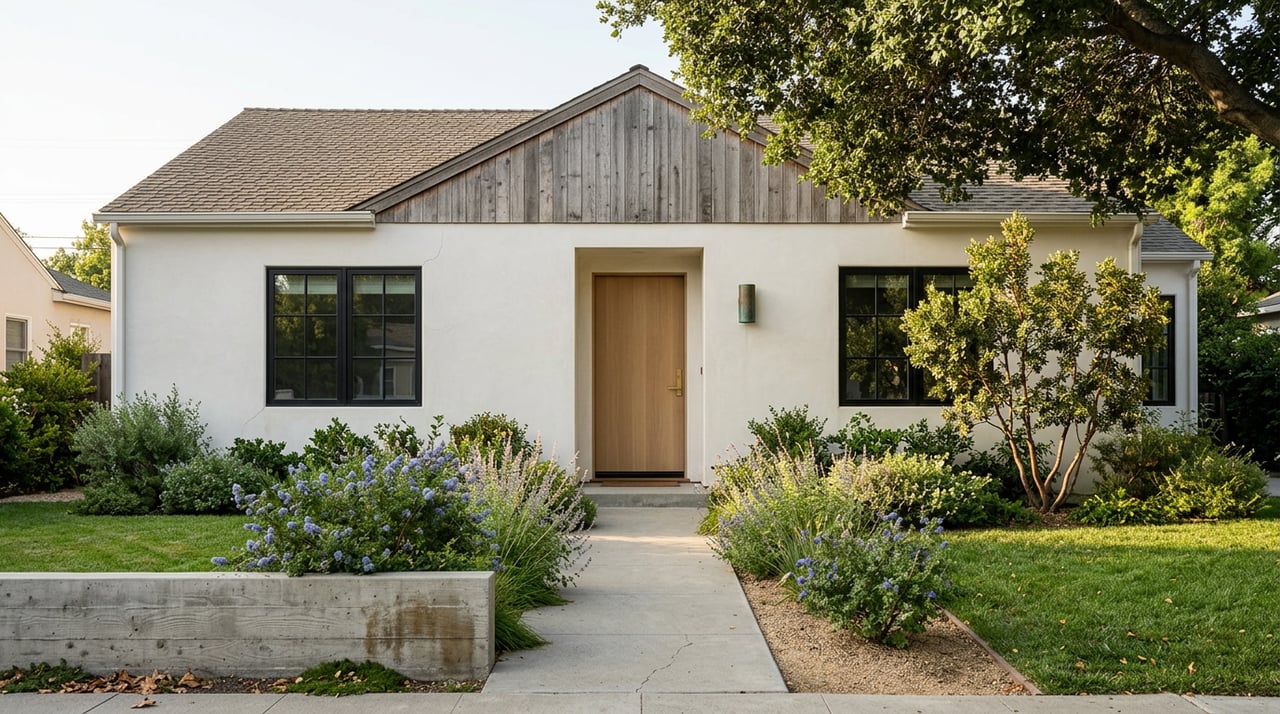
You will see a range of home types near both stations. Single-family homes often include post-war bungalows, Craftsman-influenced houses, and mid-century ranches. Many date from the 1920s through the 1960s, with remodels and infill construction over time.
Closer to BART, you’ll encounter more small multifamily buildings, garden apartments, and newer condos or mixed-use developments. These projects often trade larger yards for access and efficiency. Properties near stations commonly carry a premium on a per-square-foot basis due to commute convenience and walkability.
If you consider a condo or townhouse, review homeowner association rules early. Look at HOA fees, parking policies, rental restrictions, reserves, and insurance coverage so you can budget and plan with confidence.
BART is the backbone of most transit commutes here. If your job is in downtown Oakland, the ride is short. Trips into San Francisco often fall in a moderate range depending on time of day and service patterns. For exact trip times, rely on the BART trip planner and current schedules.
First and last mile options matter too. Many residents bike the Ohlone Greenway to the station and use station bike racks or lockers. If you plan to bring or park a bike, review BART’s bike rules and amenities. Local buses on AC Transit feed both stations and can be a smart backup during peak congestion or service changes.
Parking access differs by station. Del Norte has historically offered more parking and a large transfer center, while Plaza tends to focus more on pedestrian access and nearby retail. Many BART lots use permit or paid parking with specific rules and hours, so confirm details directly with BART.
For long-term regional transportation plans and projects that can affect service, consult the Metropolitan Transportation Commission.
Living close to BART is often about balancing convenience with space and cost. Here are the common trade-offs buyers consider:
Use this list to evaluate a specific property near either station.
Choosing between walk-to-BART convenience and space at home is a personal decision. You deserve rigorous due diligence and a clear strategy. With a physician-trained approach to research and a design-minded eye, you get guidance that blends market realities with how you want to live day to day.
I help you compare station-area options, line up relevant comps, time site visits to capture real conditions, and review HOA and city planning details that could affect value. If you decide to sell, I pair thoughtful staging and presentation with targeted marketing to reach buyers who value transit access and neighborhood character.
Ready to explore homes near El Cerrito BART? Start a curated search and talk through your plan with Diana Sweet.
Stay up to date on the latest real estate trends.
Whether you are a first-time homebuyer or upgrading or downgrading and need to sell, there are always questions and concerns. I want to answer your questions and make sure you know that we can accomplish your needs and desires. Where there is a will there is a way. I look forward to working with you.