Listing your Berkeley Craftsman is a chance to showcase timeless character and thoughtful updates. You want buyers to fall in love with the woodwork, feel the warmth of the rooms, and see an easy flow through the house. With a few preservation-minded staging choices, you can brighten each space, photograph it beautifully, and help buyers picture daily life there. Here is a practical, local guide to get you ready. Let’s dive in.
Why Craftsman staging matters
Buyers across Berkeley and the East Bay value authenticity. They respond to original materials and classic details paired with clean, modern function in kitchens, baths, and systems. Because Craftsman rooms are often modest in size, staging that protects character while boosting perceived light and flow is essential.
You do not need to reinvent the house. You need to reveal it. When you highlight woodwork, built-ins, and windows and remove visual clutter, the home reads warm, livable, and true to its period.
Protect character-defining details
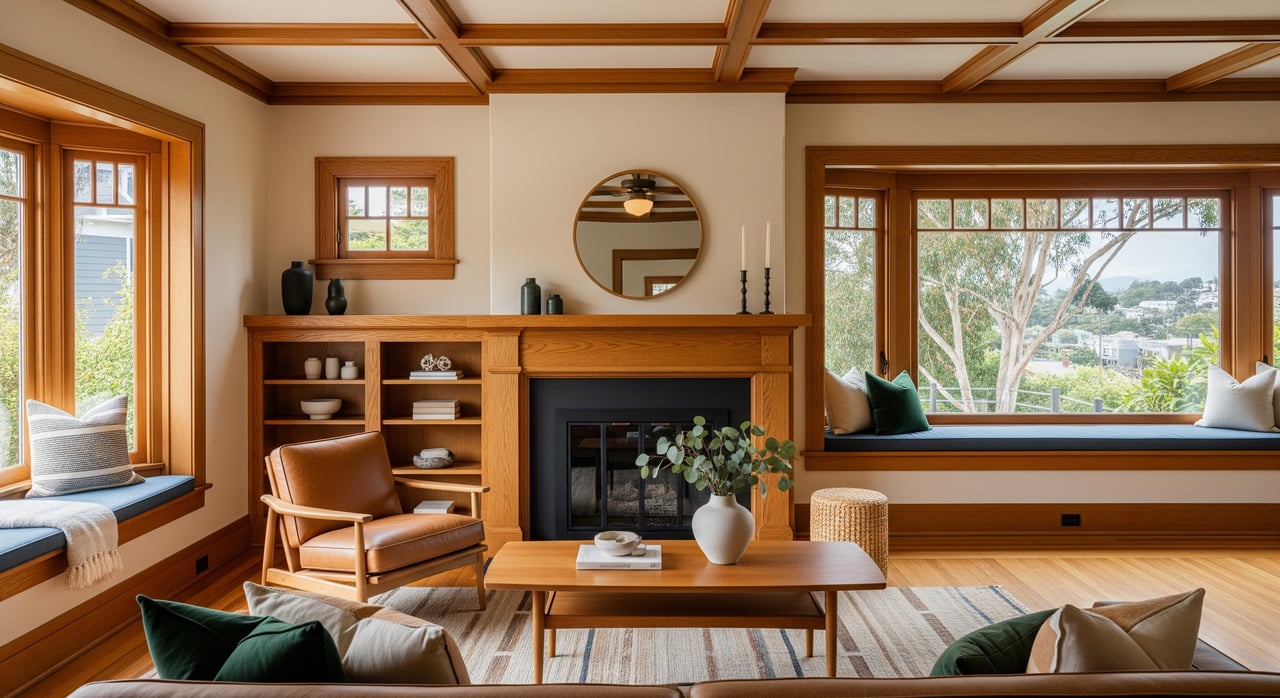
Craftsman and Brown Shingle homes often feature exposed beams, built-in bookcases, window seats, rich wood trim and wainscoting, leaded or divided-light windows, hardwood floors, and classic fireplaces with substantial mantels. Your first goal is to preserve and showcase these elements.
- Clean and refinish wood rather than painting it. Light, natural finishes that show grain feel authentic.
- If paint is necessary on damaged pieces, use historically sympathetic colors. Avoid stark bright white against warm wood.
- Keep window trim visible by using minimal treatments so buyers see sash profiles and divided lights.
If your property may have historic status or sit in a district, consult the City of Berkeley Planning and Landmarks offices before altering original trim, windows, staircases, or built-ins. If you have documentation of seismic, energy, or permitted system upgrades, prepare it for buyers. These records are meaningful in the local market.
Scale furniture to the rooms
Craftsman rooms often feel intimate. Choose pieces that fit the proportions so buyers see both function and detail.
- Use lower-profile sofas, narrow-arm chairs, and smaller coffee tables to preserve sightlines.
- Avoid oversized sectionals that block built-ins, radiators, or circulation paths.
- Anchor with a rug that defines seating without covering too much original floor.
Brighten without losing warmth
You can maximize light and still keep the home’s cozy feel.
- Use sheer or light-filtered shades so window trim remains visible.
- Layer lighting: a period-appropriate dining fixture, sconces near built-ins, and table or floor lamps.
- Choose warm bulbs around 2700K-3000K. Balanced, warm light photographs well and flatters wood tone.
Create clear sightlines and flow
Buyers want to understand how rooms connect. Open pathways to focal points so the house feels welcoming, not crowded.
- Orient seating toward the fireplace or a key window and keep doorways clear.
- Remove extra pieces so each room is defined yet open.
- Show direct lines from entry to living to dining, even if the floor plan is traditional.
Balance modern updates
Kitchens and baths should read clean, efficient, and compatible with the period.
- Favor shaker or inset cabinetry, simple hardware, butcherblock or honed stone, and classic tile.
- Keep counters clear and appliances spotless.
- Prepare a one-page summary of energy, seismic, electrical, and plumbing upgrades for buyers.
Style with restraint
Declutter and depersonalize, then add a few tactile touches that complement natural materials.
- Use woven rugs, linen pillows, ceramics, and art in warm palettes.
- Keep shelves simple. A couple of books and a lamp can signal function without visual noise.
- Remove personal photos and heavy collections so buyers focus on the home.
Room-by-room guide
Entry and porch
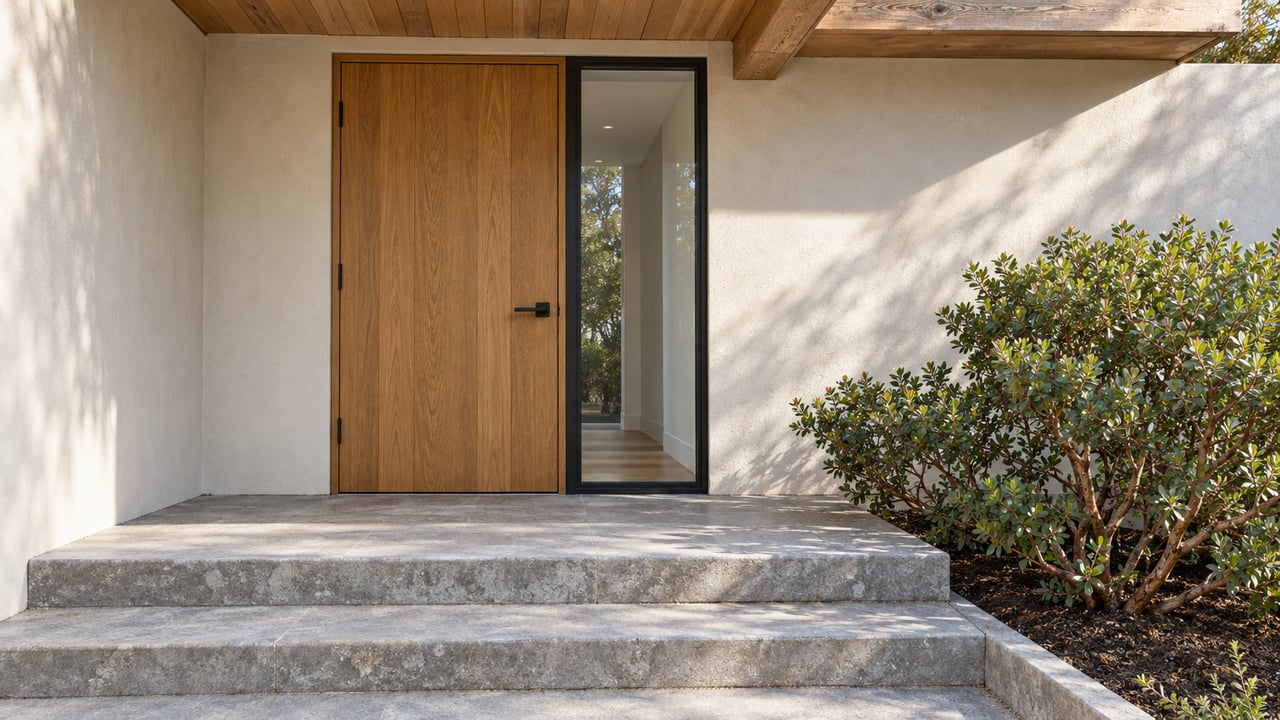
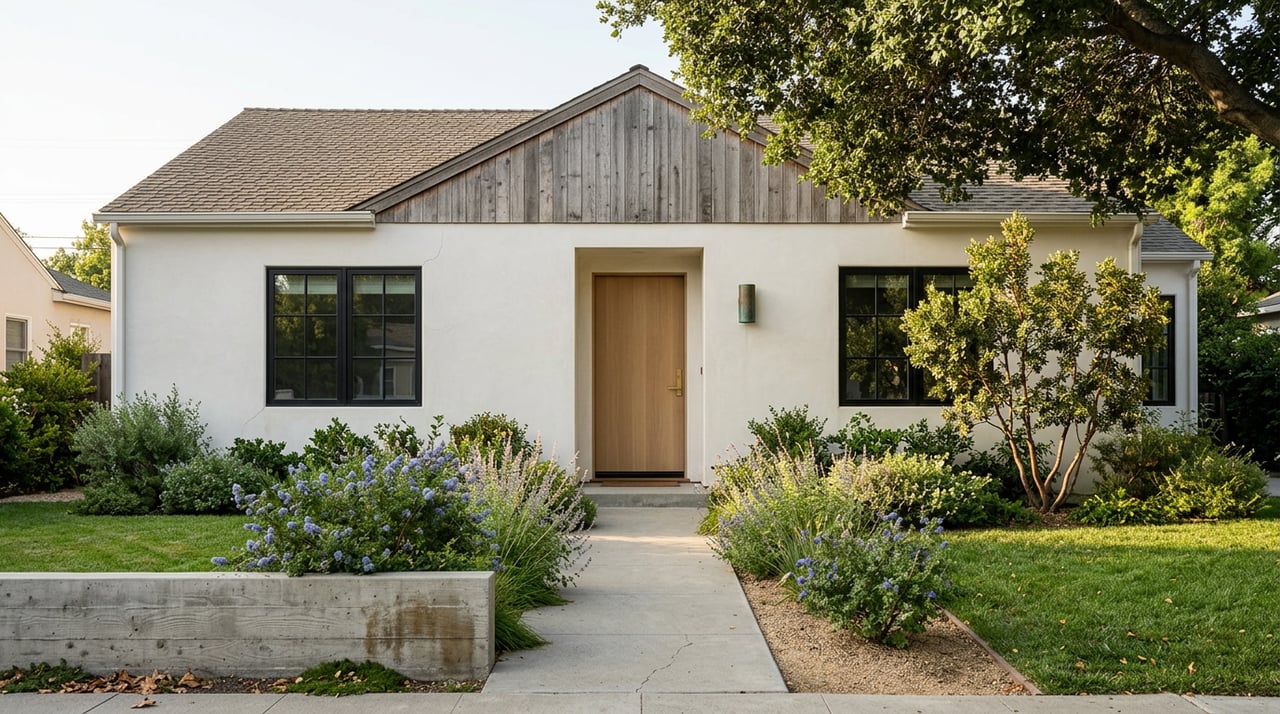
First impressions count. Keep the approach clean and reveal original doors, sidelights, and porch details.
- Clean steps, polish hardware, and add a simple welcome mat.
- Place a compact bench or a pair of chairs to suggest usable outdoor living.
- Stage plants for scale and ensure the path frames a sightline into the living room.
Living or parlor
This is where you spotlight the fireplace, built-ins, trim, and floors.
- Arrange seating to feature the mantel and show connection to adjacent rooms.
- Choose low backs or armless chairs so windows and trim stay visible.
- Use a right-sized rug to define the conversation area without hiding the floor.
Dining room
Let buyers see scale and any original lighting or built-ins.
- Set the table simply with a runner and single centerpiece.
- Select dining chairs that do not block views of wainscoting or cabinetry.
- If the chandelier is missing or dated, choose a fixture that complements period character.
Kitchen
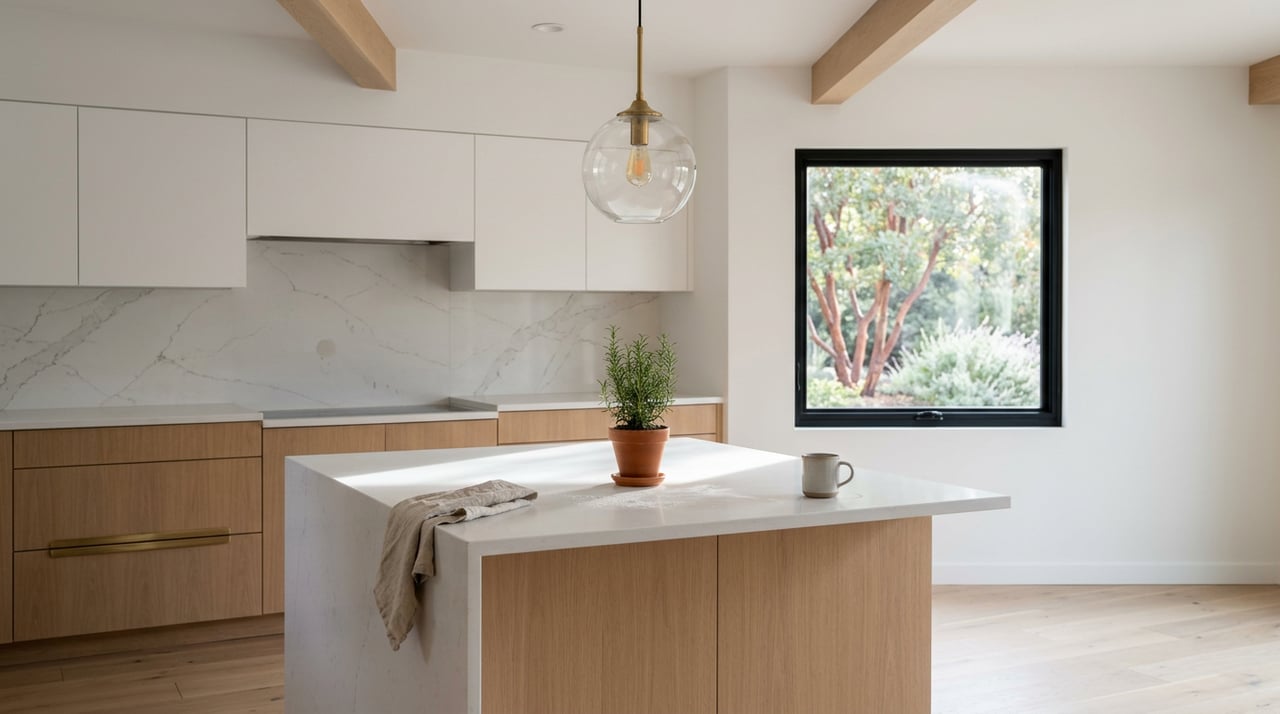
Aim for modern function that feels at home with classic architecture.
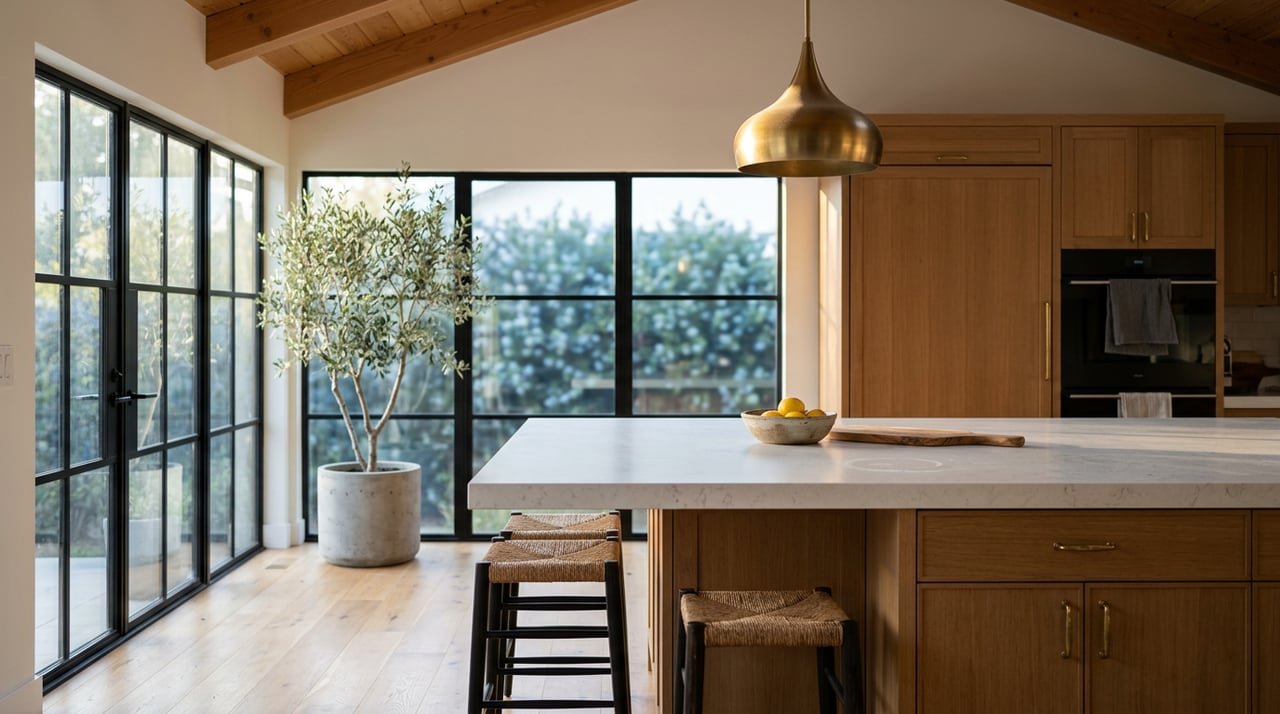
- Clear counters and display one warm element like a bowl of fruit or a loaf on a board.
- Refinish original cabinets if possible and update hardware to a simple, period-appropriate style.
- If replacing finishes, choose muted colors and materials that complement wood and tile.
Primary bedroom
Make it bright and restful while showing trim and symmetry.
- Center the bed to align with windows or trim.
- Use lighter bedding to lift the room and keep furniture minimal for easy circulation.
- Add bedside lamps with warm bulbs for a layered glow in photos and showings.
Bathrooms
Buyers look for clean, classic materials and working fixtures.
- Regrout and re-caulk where needed for a fresh, tight look.
- Use white or muted tile choices that suit the home’s palette.
- Add a simple mirror or lighting that nods to the period and stage with fresh towels and a small plant.
Sunrooms, bay windows, window seats
These features sell charm and lifestyle.
- Keep blinds open and seat cushions thin so trim remains visible.
- Add a throw or small side table to suggest reading or morning coffee.
- Prioritize these spots in photography to show light and intimacy.
Basement, attic, and mechanical areas
Show order, safety, and improvements.
- Tidy mechanical spaces and label key systems where helpful.
- Place documentation for seismic work, insulation, and system upgrades in an easy-to-find folder.
- Ensure pathways are clear so inspectors and buyers can navigate.
Yard and exterior
Frame usable outdoor living and the approach.
- Trim landscaping, mulch beds, and clean gutters and paths.
- Stage porch or deck seating and define walkways.
- On sloped lots, highlight level areas and connect them visually to interior rooms.
Photography that sells the story
Professional photography is essential for historic homes. Focus on craftsmanship, warmth, and the way rooms relate to each other.
Essential shots
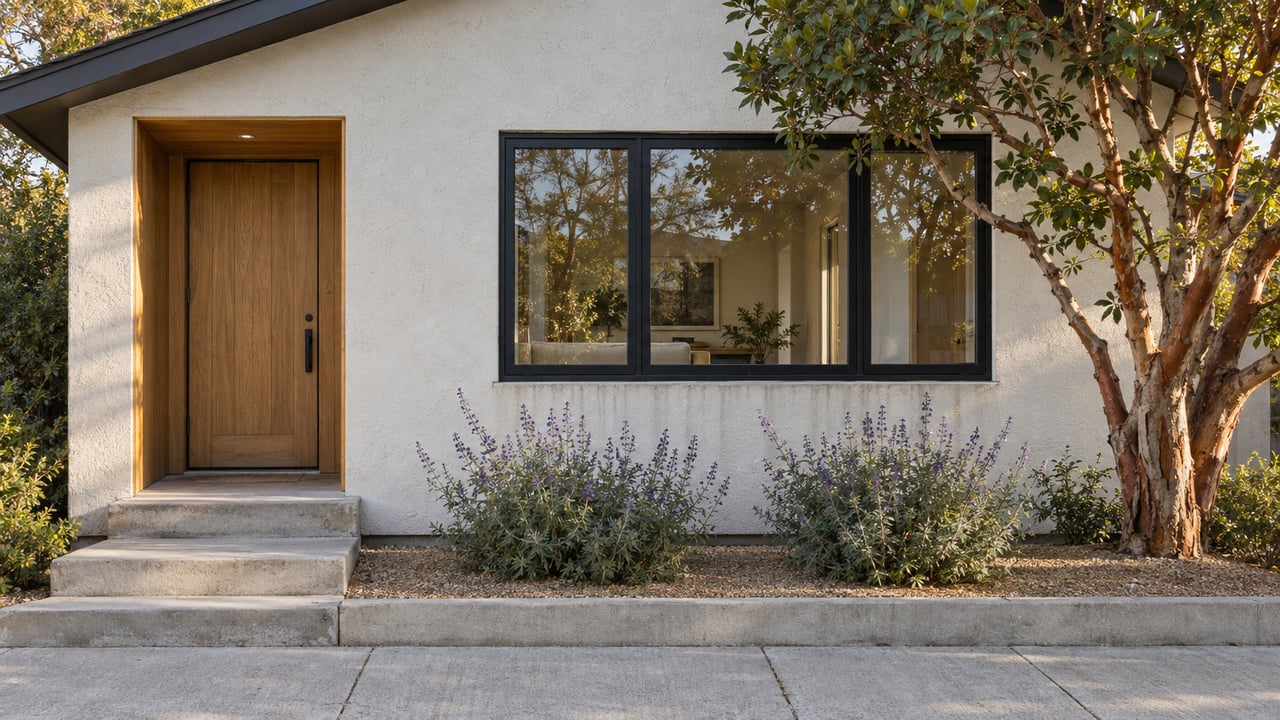
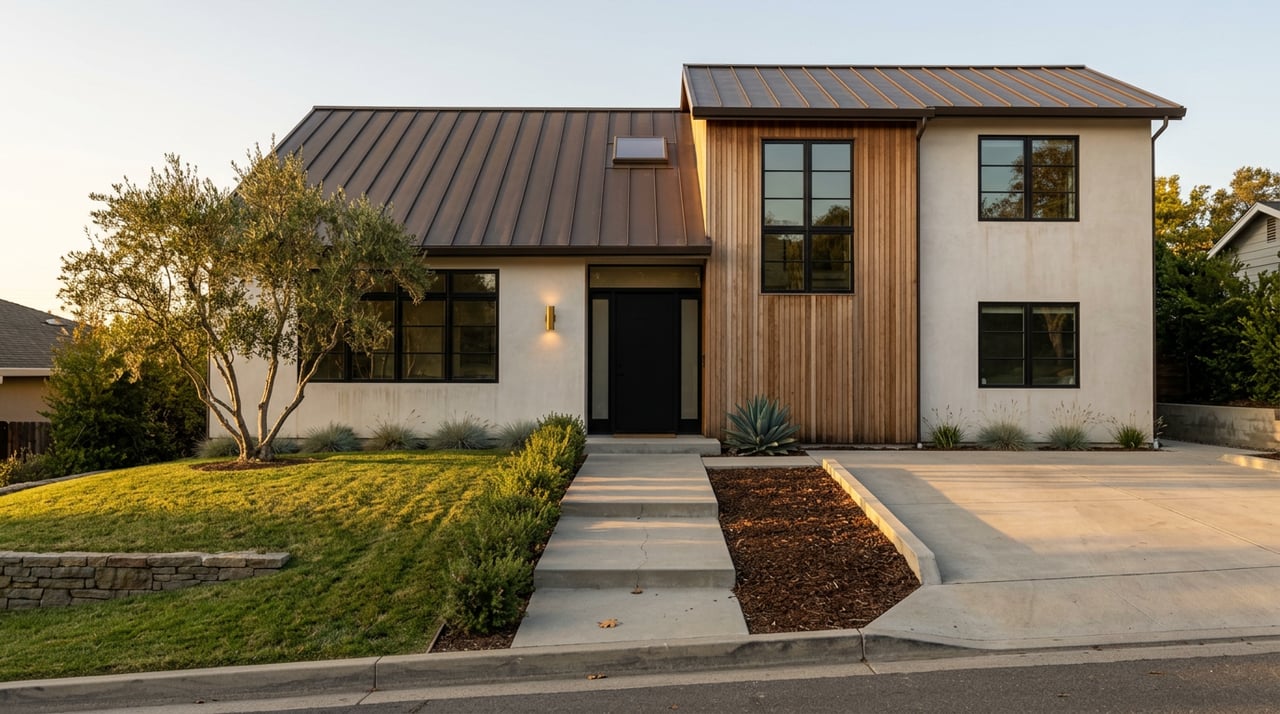
- Exterior approach showing porch and entry, plus a full-front at flattering light.
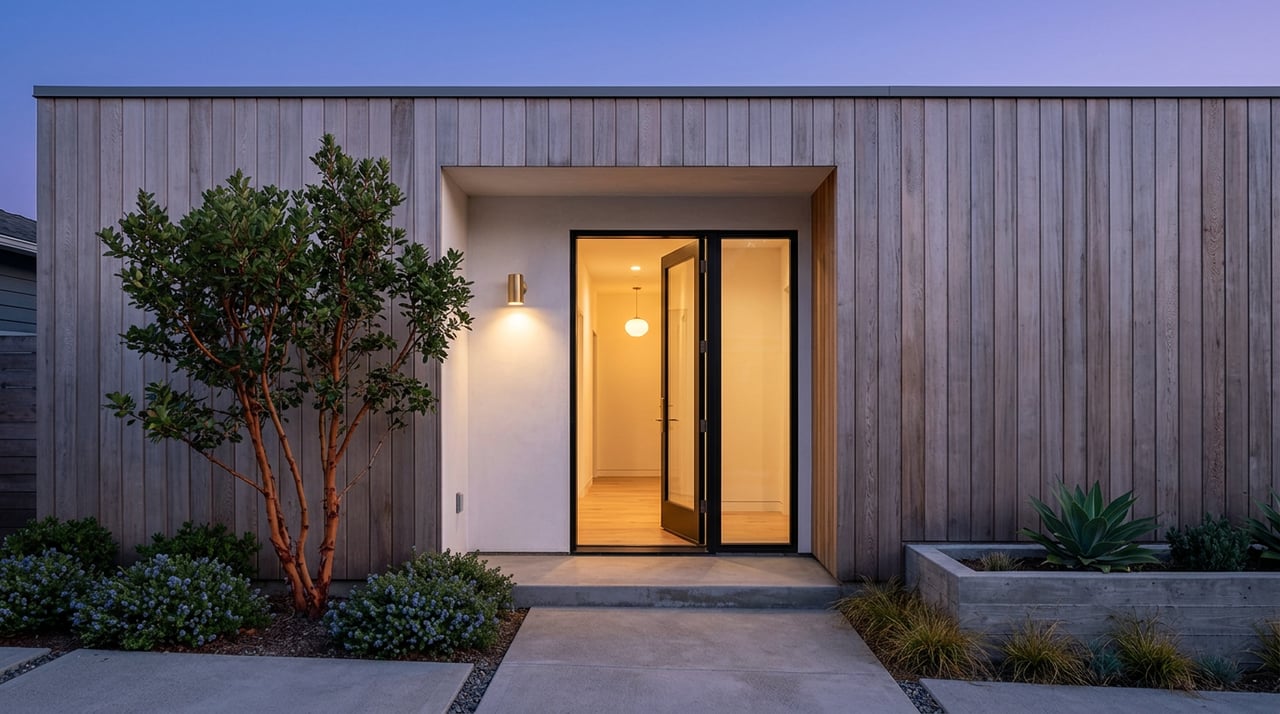
- A twilight exterior with warm interior lamps for an inviting glow.
- Entry or foyer that captures the view toward the living room if sightlines allow.
- Living room lifestyle shot that includes the fireplace, built-ins, and adjacent space.
- Detail studies: mantels, leaded windows, stair rails, wainscoting, and hardware.
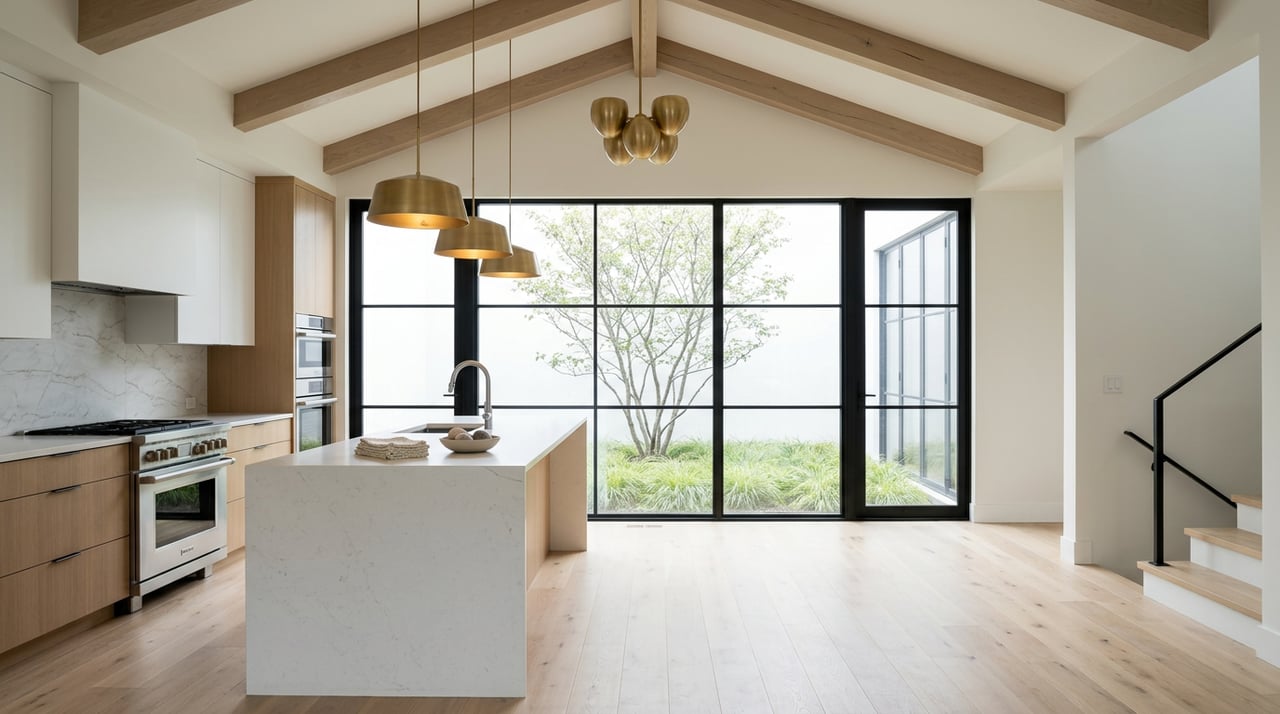
- Kitchen wide shot that explains layout and a finish close-up.
- Primary bedroom including window and trim.
- Outdoor living areas and any special garden features.
- A simple, accurate floor plan and an optional 3D tour for scale and flow.
Technical tips
- Use a moderate wide angle, roughly 16-24mm equivalent on full-frame, to avoid distortion.
- Bracket exposures or use HDR to balance bright windows and darker wood so tones stay true.
- Shoot with warm, even natural light and supplement with lamps to avoid flat, cool results.
- Keep color balance warm so wood does not read gray.
Marketing assets
In addition to photos, consider a short cinematic video emphasizing flow, a 3D walkthrough, and a downloadable floor plan. Include a one-page summary of recent permitted work and any historic designations for buyer packets.
Timeline and checklist
2-4 weeks out
- Inspect woodwork for cleaning and minor repairs. Decide on refinishing vs. painting if needed.
- Declutter and depersonalize. Remove heavy furniture that blocks sightlines.
- Complete small fixes like stuck sashes, loose spindles, drips, and burned-out bulbs.
- Tidy landscaping, prune, mulch, and power-wash paths and porch.
- Assemble documentation for seismic, energy, electrical, plumbing, and permits.
1-2 weeks out
- Deep clean windows, floors, and light fixtures.
- Place furniture, rugs, art, and accessories with a less-is-more approach.
- Replace bulbs with warm, high-CRI bulbs and add lamps where needed.
Photo week
- Schedule a pro photographer for optimal interior light and a twilight exterior.
- On shoot day, open blinds, hide bins and pet items, and clear counters.
- Set a comfortable temperature so buyers associate warmth with the space.
Day of showings
- Maintain cleanliness and neutral scent.
- Keep blinds open and lamps on to maximize natural and layered light.
- Provide printed floor plans and the upgrades summary for visitors.
Quick checklist
- Preserve and showcase original woodwork and built-ins.
- Use low-profile furniture that fits room scale.
- Keep window trim visible with minimal treatments.
- Stage for clear circulation and focal points.
- Document mechanical and structural upgrades.
- Hire a photographer experienced with historic interiors, plus twilight and detail shots.
- Add a floor plan and optional 3D tour.
Common mistakes to avoid
- Painting over intact original wood without expert guidance.
- Overfurnishing small rooms so sightlines disappear.
- Heavy drapes that hide divided-light windows and trim.
- Ultra-cool lighting that makes wood look gray in photos.
- Trendy fixtures that clash with period character unless the entire design is cohesive.
Work with a local advisor
A well-staged Berkeley Craftsman tells a clear story of care, character, and comfort. When your presentation protects original materials, maximizes light, and shows logical flow, you attract design-conscious buyers and support strong offers. If you are weighing where to invest time before listing, a focused plan can save effort and deliver a better result.
If you are preparing a Craftsman or Brown Shingle home in the East Bay, let’s map a smart, preservation-aware strategy that fits your timeline. For personalized seller representation, pricing guidance, and a curated marketing plan, connect with Diana Sweet.
FAQs
What makes staging a Berkeley Craftsman different?
- You aim to preserve original woodwork and period details while improving light and flow so buyers see authenticity and livability together.
How do I choose furniture scale for smaller rooms?
- Pick lower-profile pieces with narrow arms and smaller tables so trim, built-ins, and circulation paths remain visible.
What window treatments work best for Craftsman homes?
- Use sheers or light-filtering shades that reveal sash and trim and allow maximum daylight for showings and photos.
How should I light rooms with dark wood trim?
- Layer warm bulbs around 2700K-3000K with ceiling fixtures, sconces, and table lamps to balance brightness and keep wood tones rich.
Which photos are essential for marketing a historic home?
- Capture the approach, a twilight exterior, the living room with fireplace and built-ins, detail shots of craftsmanship, and a clear kitchen layout.
What documents should I prepare for buyers in the East Bay?
- Provide a one-page summary of seismic, energy, electrical, and plumbing upgrades and include any permits or historic designations.