Albany Small Lot Home Design Ideas for Compact Lots
March 24, 2026
March 24, 2026
Small lots can live beautifully if you plan every inch with intention. If you own or are eyeing a compact property in Albany, you likely want space to breathe, smart storage, and outdoor living without breaking local rules. In this guide, you’ll learn design moves that make small homes feel larger, ways to add value that buyers reward, and how Albany’s zoning and ADU standards shape your options. Let’s dive in.
Albany’s development rules set the framework for what you can build. The municipal code lists a typical single-family minimum lot size of about 3,750 square feet, a lot width of roughly 35 feet, a floor-area ratio around 0.55, and height limits near 28 feet. Daylight-plane and stepback rules apply to upper stories, which can shape where second-floor walls and windows can go. You can review these standards in the city’s development regulations. Albany’s municipal code summary is here.
Setbacks also matter. Front yards are commonly around 15 feet, with side and rear yards tailored to zone and building height. On narrow lots, daylight-plane rules are often the gating factor for second-story additions, so early study of that geometry pays off. If you are considering changing density, note that the code references Measure K, which can constrain certain density increases unless voters approve changes. You can find those references in the code section linked above.
The takeaway: small-lot design wins start with understanding massing, setbacks, and height. Once you know the envelope, you can target the upgrades that add comfort and value.
Accessory dwelling units are one of the most flexible ways to add living space on compact parcels. Albany allows attached, detached, converted, and junior ADUs, with size caps that fit many backyards. Standard maximums for single-family lots include up to 850 square feet, or 1,000 square feet for ADUs with 2 or more bedrooms. Junior ADUs can be up to 500 square feet. See Albany’s ADU program details.
Two local rules make ADUs especially practical on small lots:
Albany also offers pre-approved ADU plans and an amnesty path for certain unpermitted units, which can streamline path-to-permit. Height and setback standards are homeowner-friendly too: side and rear setbacks can be as little as 3 feet for a new or expanded ADU, with detached ADUs typically limited to 20 feet in height and attached ADUs to 25 feet, with allowances to match the main roof in some cases. Review the specifics on the city’s ADU page above and confirm details with Planning.
State law supports this. California has repeatedly updated ADU statutes to simplify approvals and create more consistent rules, while leaving local details to each city. For background, review the state’s ADU guidance from HCD.
Tip: If you want both a future second-story addition and an ADU, ask your architect to plan them together. The same setback and daylight-plane rules apply to both, and a coordinated plan avoids conflicts later. The city’s code section is a helpful reference for early checks. See the municipal code page.
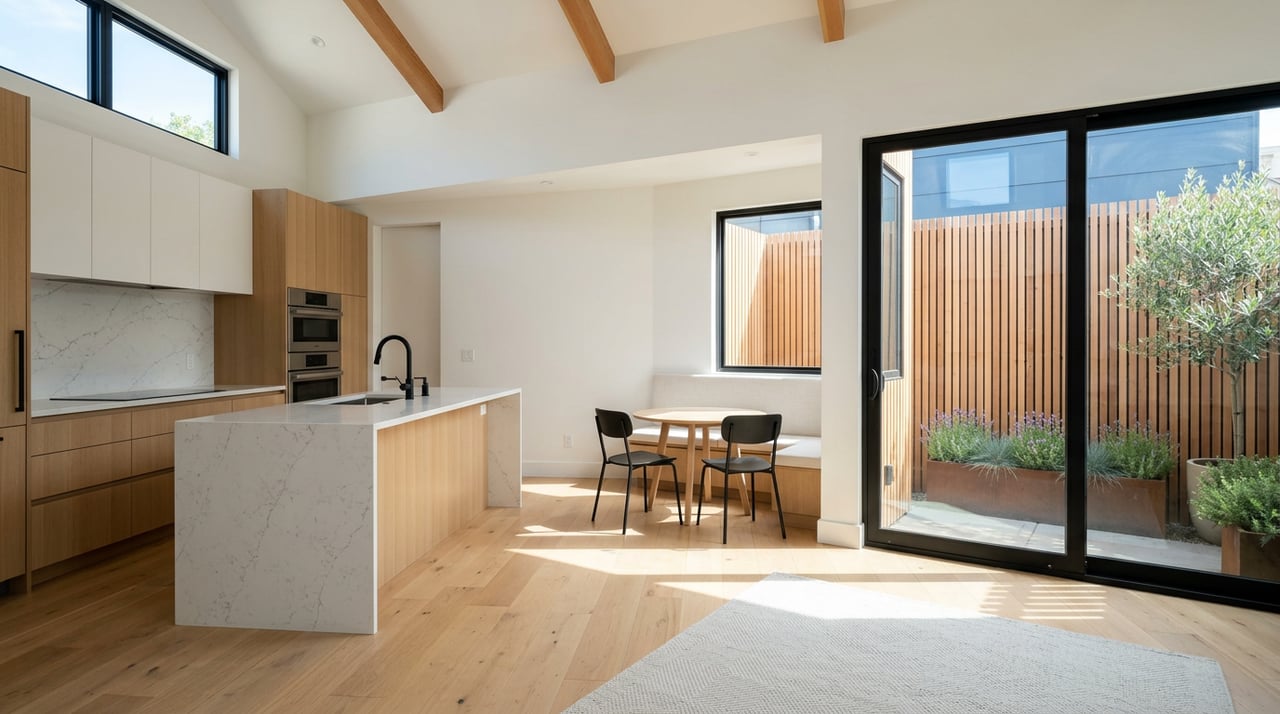
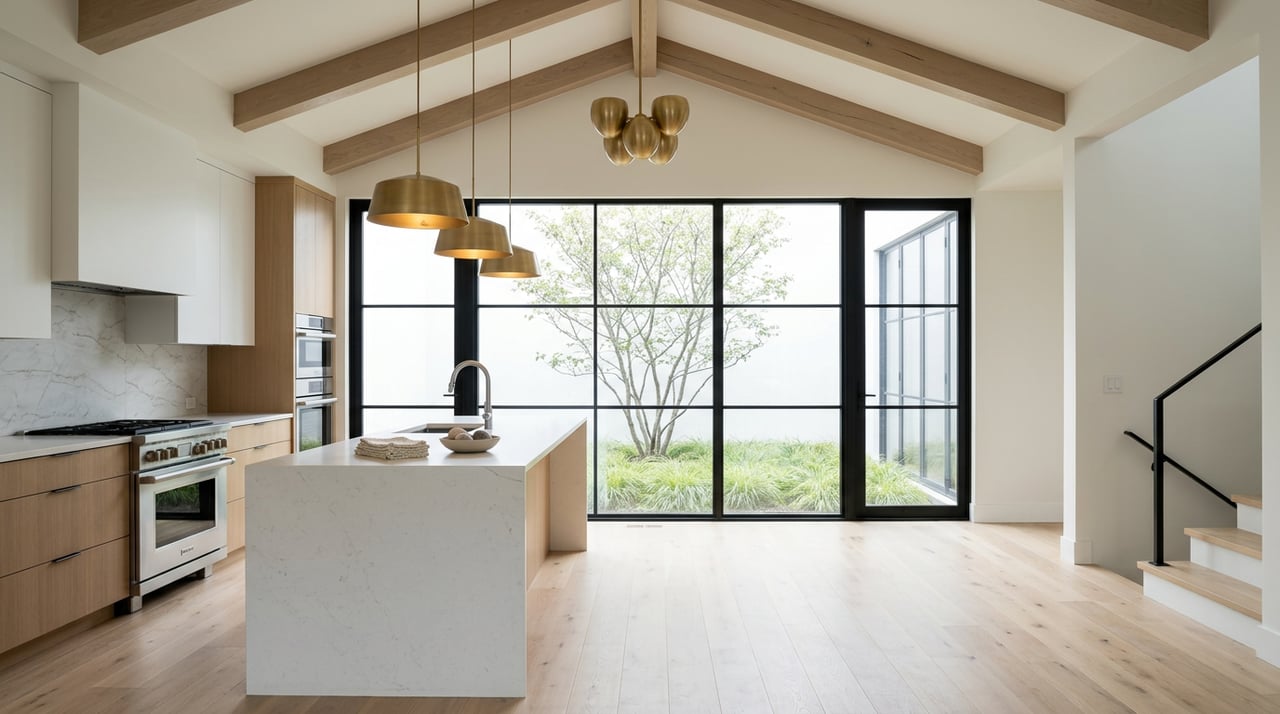
Open, connected layouts make compact homes feel generous. Combine kitchen, dining, and living into one flexible zone. Use an island, a dining banquette, and area rugs to define sub-areas without adding walls. Keep sight lines open from the front door through the great room so natural light can reach deeper into the plan.
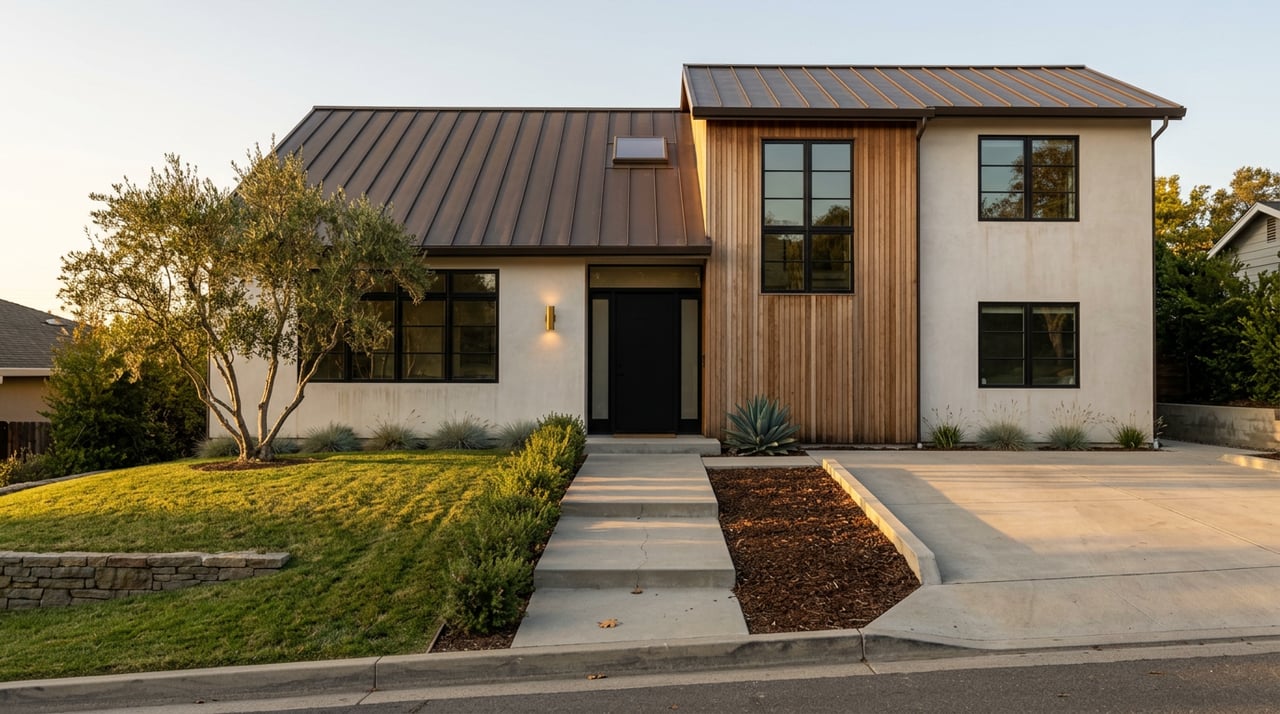
When you need more space, think vertical. On narrow parcels, a sensitively designed second story often yields more usable area than spreading the footprint, especially once you factor in side-yard setbacks. Albany’s daylight-plane and stepback rules shape how second stories can look, so get those requirements on the table before you draw massing. Check the development regulations with your designer early.
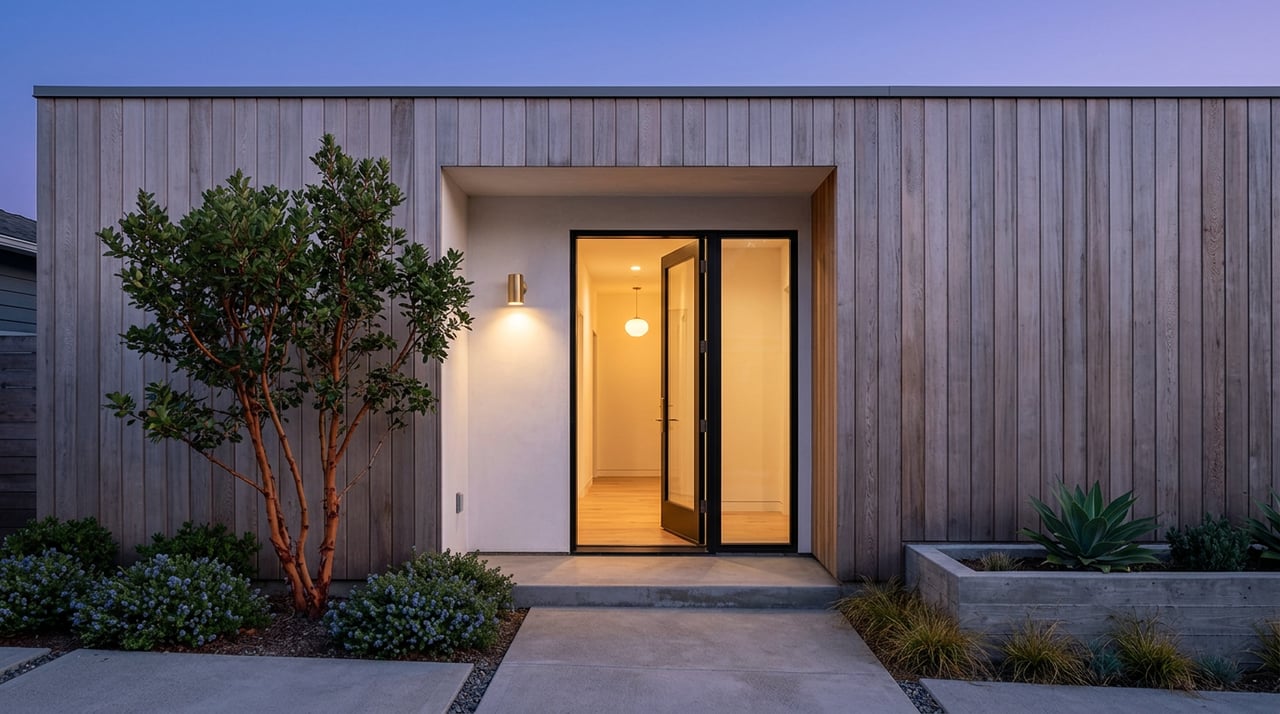
For very narrow or shallow lots, a pavilion or courtyard strategy can be a game-changer. Orient living spaces to a small entry or side courtyard that acts as an outdoor room, essentially extending your main living area. Many narrow-lot precedents use this approach to make small parcels feel private and calm. For design context, see this discussion of courtyard-focused housing in the design literature: Designing a Place Called Home.
Clutter shrinks rooms. Built-ins make square footage work harder and photograph beautifully when styled simply. Consider these high-impact moves:
For visual precedents that show how serene, built-in storage elevates small spaces, browse curated examples on design outlets like Houzz. Here is a representative gallery with clean, compact built-ins: see small-space storage inspiration.
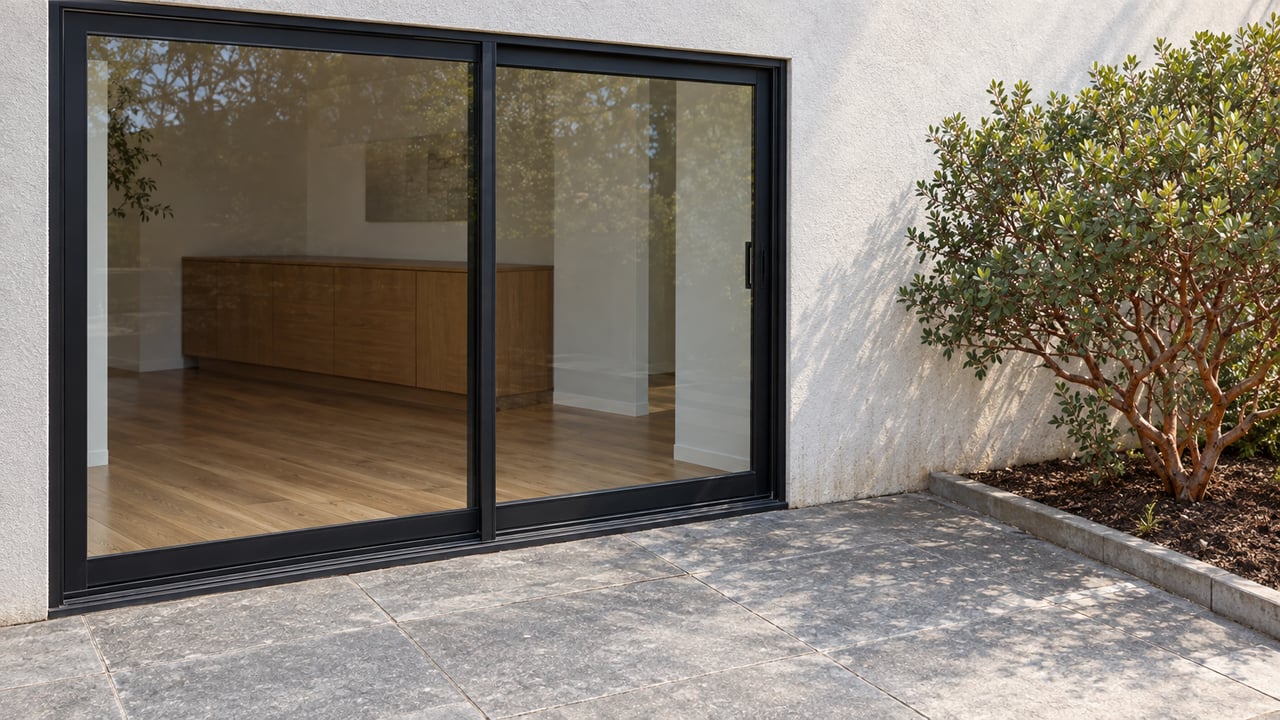
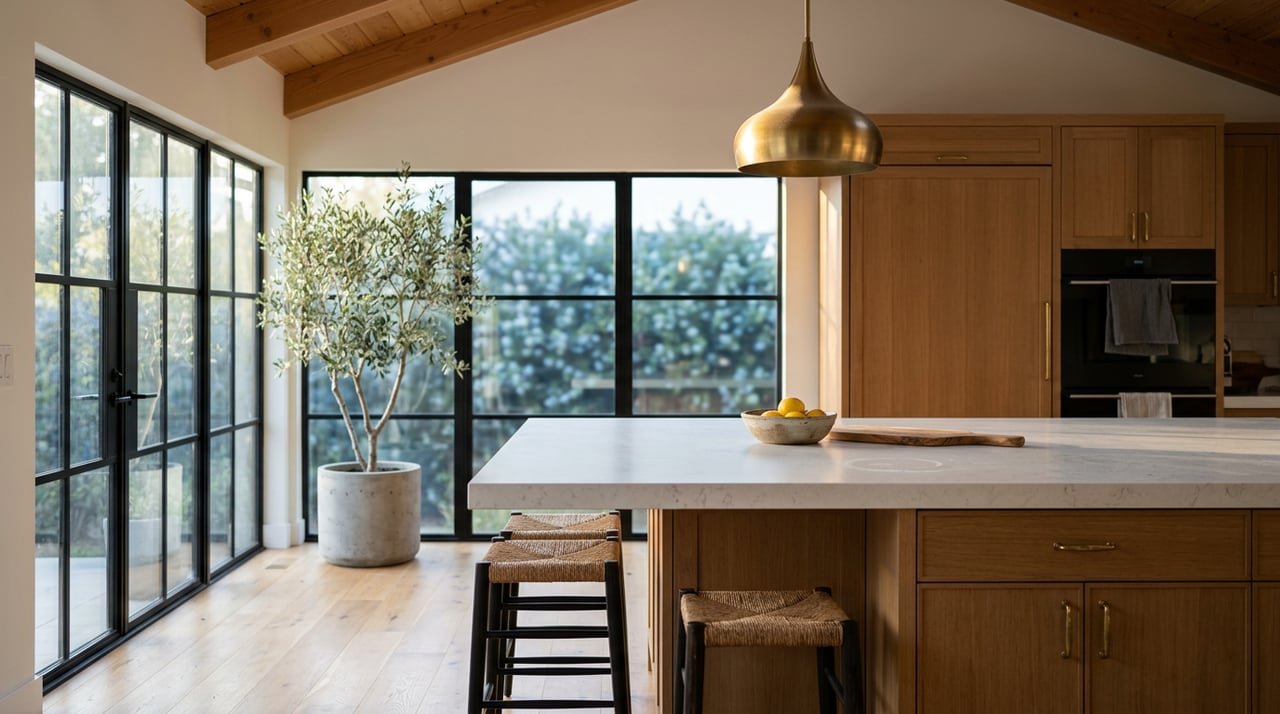
Albany’s climate rewards a single, generous outdoor threshold. Rather than scattering multiple small patios, plan one main outdoor room that pairs with your great room. A wide sliding, pocket, or folding door creates a visual extension of the interior, which reads larger in person and in photos.
Design your outdoor room as a composed living space:
Choose durable, low-maintenance surfaces and drought-tolerant plants suited to the East Bay. Keep beds narrow and use vertical elements like trellises or planters to preserve usable square footage. If your property is near a creek or in a special overlay, confirm any siting constraints with the city before you finalize a deck or detached structure. The city’s ADU resource page links to zoning maps and overlay checks. Start with Albany’s ADU and planning resources.
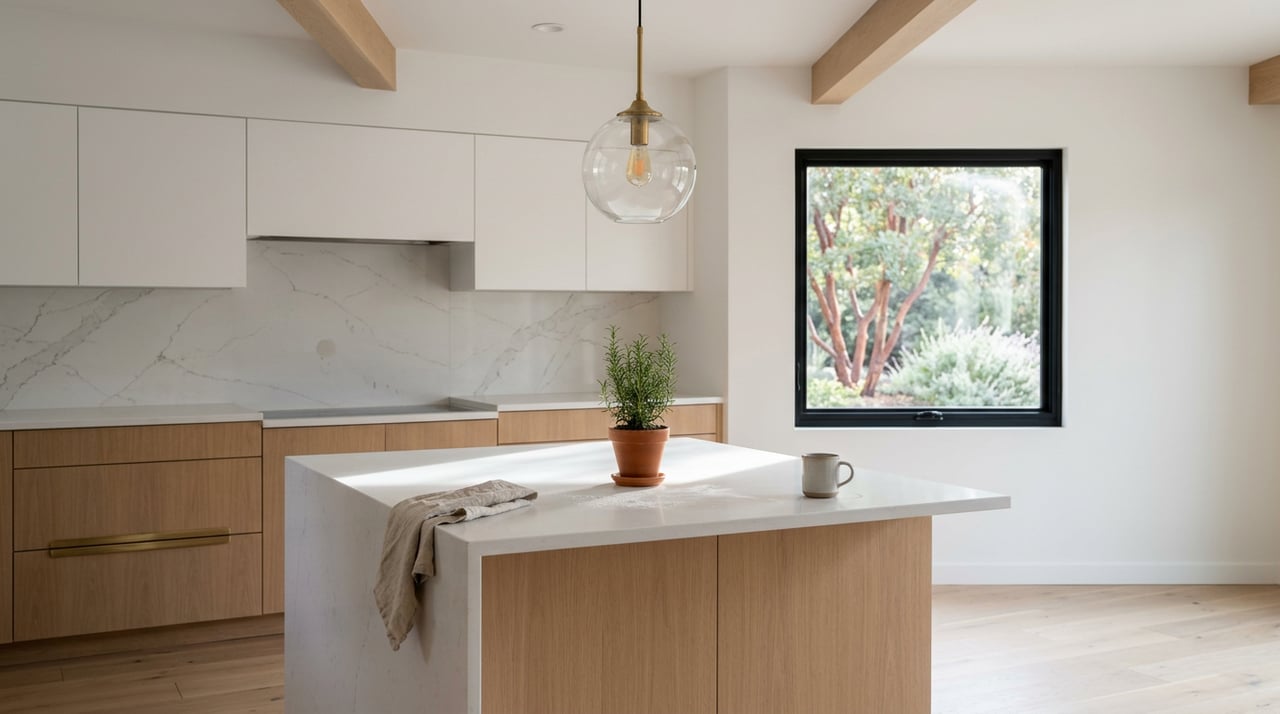
Light, warm neutrals on walls and consistent, medium-tone flooring through connected rooms help compact homes feel calm and continuous. Use one or two quiet surface materials rather than many patterns. In kitchens, a single large-format backsplash or a clean slab material avoids visual noise.
Layer lighting to make rooms feel even and inviting:
Coordinate metals across hardware, faucets, and lighting for a unified look. Consistency reads as quality in listing photos and opens.
Scale matters. Choose narrow-arm sofas, armless accent chairs, and round or oval dining tables to ease circulation. Multipurpose pieces like nesting tables, storage benches, and ottomans keep your layout flexible.
Show how each zone works without overfilling it. Edit accessories so surfaces read mostly clear, and use a few larger art pieces rather than many small ones. If you work from home, stage a compact office corner with a slim desk and wall shelves to demonstrate function without sacrificing a bedroom.
If you may sell within a few years, focus on upgrades that buyers and appraisers reward. The latest Cost vs. Value data shows curb-appeal projects at the top of recoup percentages, with minor kitchen refreshes and certain siding upgrades also performing well. Large additions and high-end overhauls tend to recover a lower percentage of cost, even though they can lift absolute value and livability. Review the findings here: 2025 Cost vs. Value report.
A practical order of operations for small lots:
Good projects start with a clear brief and early code checks. Use this checklist to move from idea to action:
Define goals and budget
Verify your property constraints early
Explore ADU options
Plan for energy and code items
Budget and fees
Execute with presentation in mind
Small-lot living in Albany can be elegant and practical when you align design with local rules, prioritize the right upgrades, and present the home with intention. If you want a second set of eyes on your plan, market-fit advice, or a resale-minded design sequence, reach out. As a design-savvy, data-driven East Bay advisor, I help you invest where it counts and market your home to its fullest.
Ready to map your next move or talk through a project idea? Connect with Diana Sweet for personalized guidance.
Stay up to date on the latest real estate trends.
Whether you are a first-time homebuyer or upgrading or downgrading and need to sell, there are always questions and concerns. I want to answer your questions and make sure you know that we can accomplish your needs and desires. Where there is a will there is a way. I look forward to working with you.