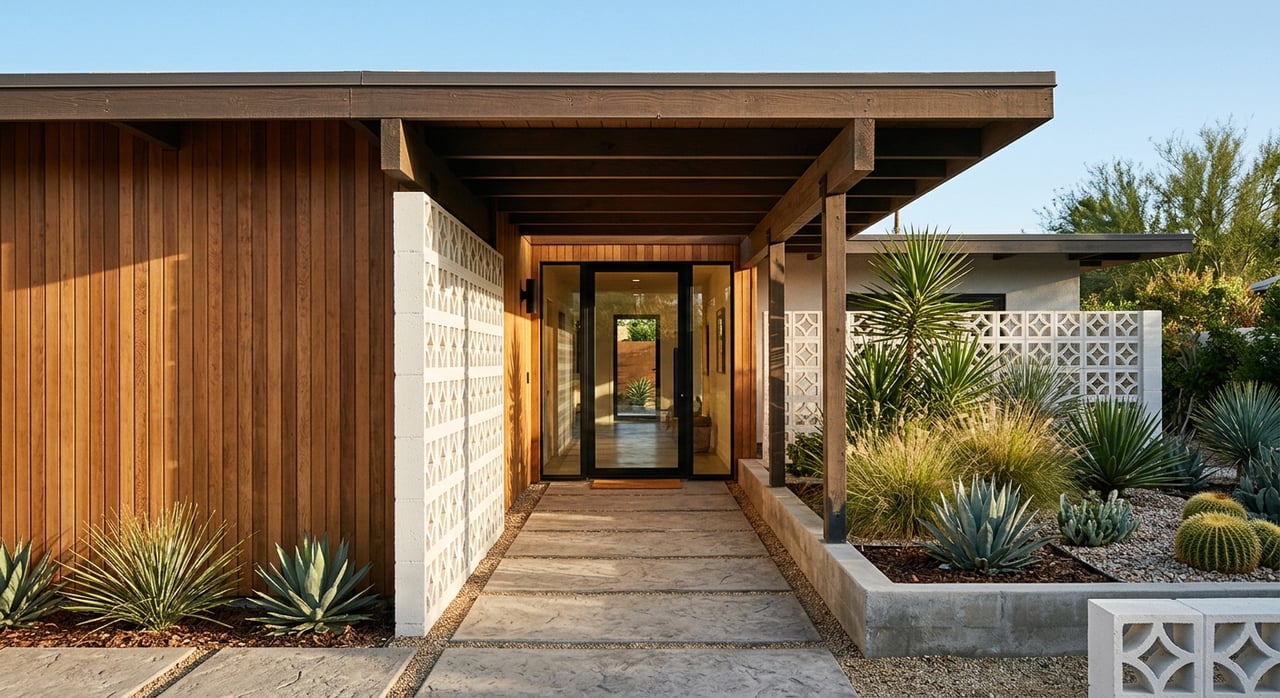
How to Sell Your Midcentury Home in San Rafael
April 16, 2026
April 16, 2026
Selling a midcentury home in San Rafael is rarely about making it look like every other listing. Buyers are often drawn to these homes because of their clean lines, large windows, indoor-outdoor flow, and original architectural details. If you are thinking about listing, the goal is usually not to erase the home’s personality, but to present it clearly, price it thoughtfully, and make buyers feel confident from the first photo onward. Let’s dive in.
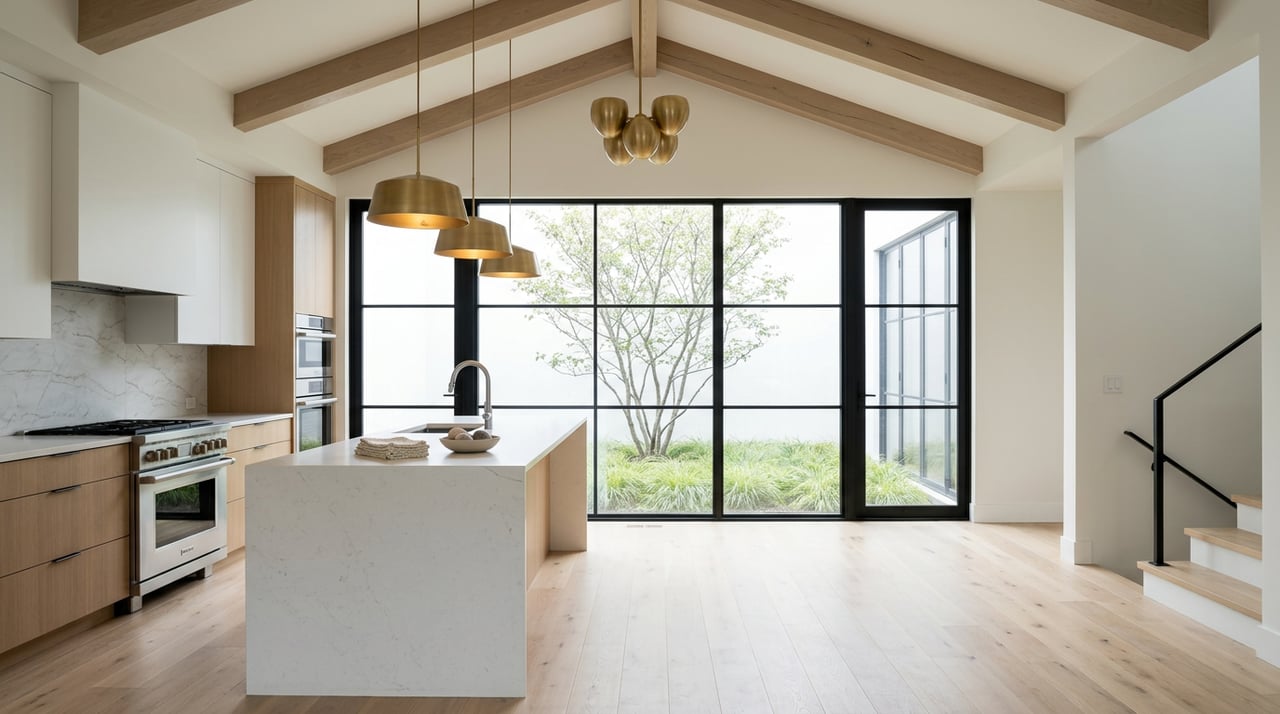
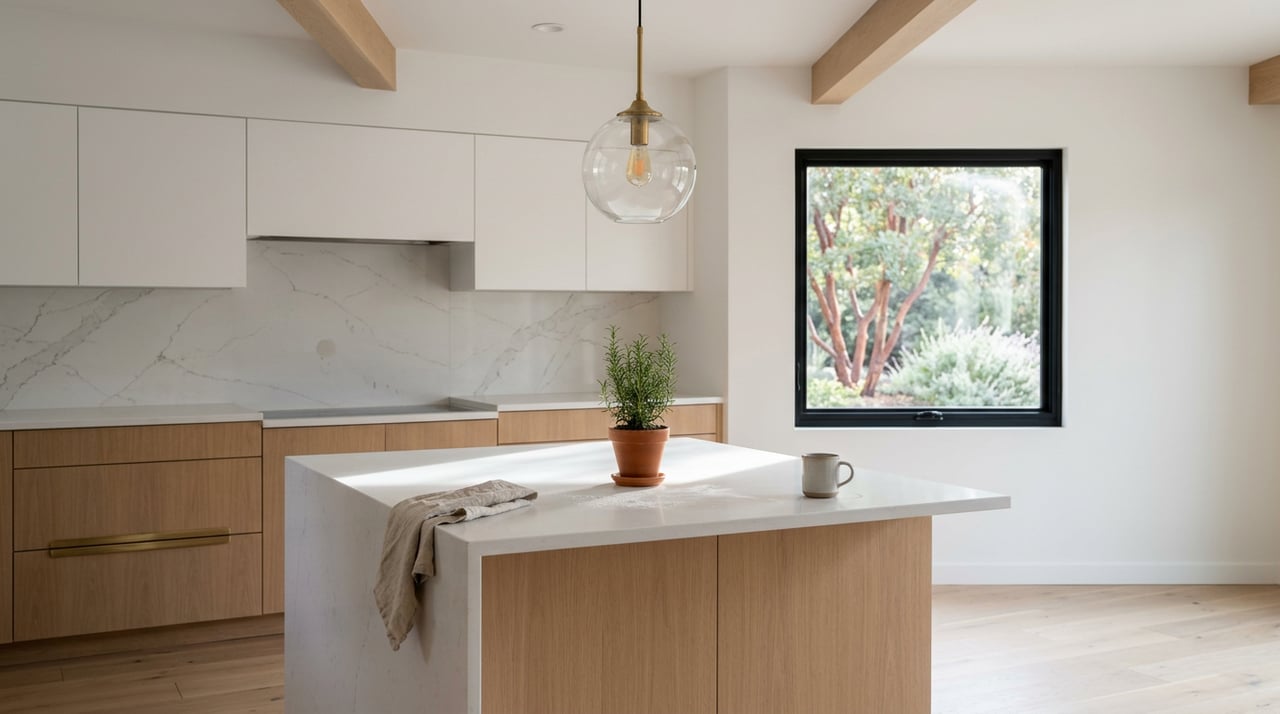
Midcentury modern design is known for clean lines, open floor plans, large windows, organic forms, and a strong connection to outdoor space. In practical terms, that means your San Rafael home may already have the features buyers want most to see, such as a dramatic roofline, walls of glass, built-ins, wood finishes, or a strong patio connection to the yard. According to Britannica’s overview of midcentury modern design, those elements are central to the style.
Before you make updates, take stock of what gives your home its identity. A fireplace surround, original paneling, clerestory windows, or a particularly strong sightline to the outdoors may be more valuable as a selling feature than as something to replace.
In San Rafael, this step matters more than many sellers expect. The city maintains a historic preservation framework and notes that its Historical/Architectural Survey identifies structures and areas with historical significance.
If your property is a landmark, in a historic district, or may be considered a historic resource, exterior modifications or demolition may require Planning Commission review. That is why it is smart to verify the home’s status before changing exterior materials, removing original details, or planning a major cosmetic overhaul.
The best prep strategy for many midcentury homes is selective, not sweeping. You want to keep the character-defining features that support the architecture while addressing the items that make buyers hesitate.
That often means preserving details like:
At the same time, you should pay attention to the issues that can undermine confidence. The National Association of Realtors’ 2025 Profile of Home Staging found that 29% of agents reported a 1% to 10% increase in offered value when homes were staged, and 49% said staging reduced time on market. The same report also found that many sellers’ agents recommended decluttering or correcting property faults rather than doing a full stage or major renovation.
That supports a disciplined approach: fix visible wear, reduce distractions, and avoid remodeling choices that blur the home’s architectural story.
A full remodel is not always the best path before listing a midcentury home. If your kitchen, baths, or finishes are so worn or outdated that they distract from the architecture, selective improvement may make sense. But if the home’s original features are functional and visually coherent, preserving them can often strengthen the listing.
NAR also reports that buyers are placing increased value on energy-efficient upgrades, flexible office or guest space, smart-home features, and usable outdoor areas in its article on maximizing listing visibility. Those updates can broaden appeal without changing the home’s design language.
A useful filter is simple: ask whether an update improves buyer confidence or weakens the home’s identity. If it does both, it may not be the right pre-listing project.
When buyers walk into a midcentury home, they should notice the architecture first. That means staging should support the structure, not compete with it.
The most important rooms to stage are typically the living room, primary bedroom, and kitchen, according to the NAR staging report. For a San Rafael midcentury listing, these rooms often do the most work in telling the home’s story.
A restrained staging plan usually works best:
The point is not to make the home feel sparse. It is to make the design readable at a glance.
Online presentation can shape whether buyers book a showing at all. NAR reports that buyers’ agents view photos, physical staging, videos, and virtual tours as highly important marketing tools, and a March 2026 NAR article noted that 81% of buyers rated listing photos as the most useful feature in their online home search. That makes photography one of the highest-value parts of your listing strategy.
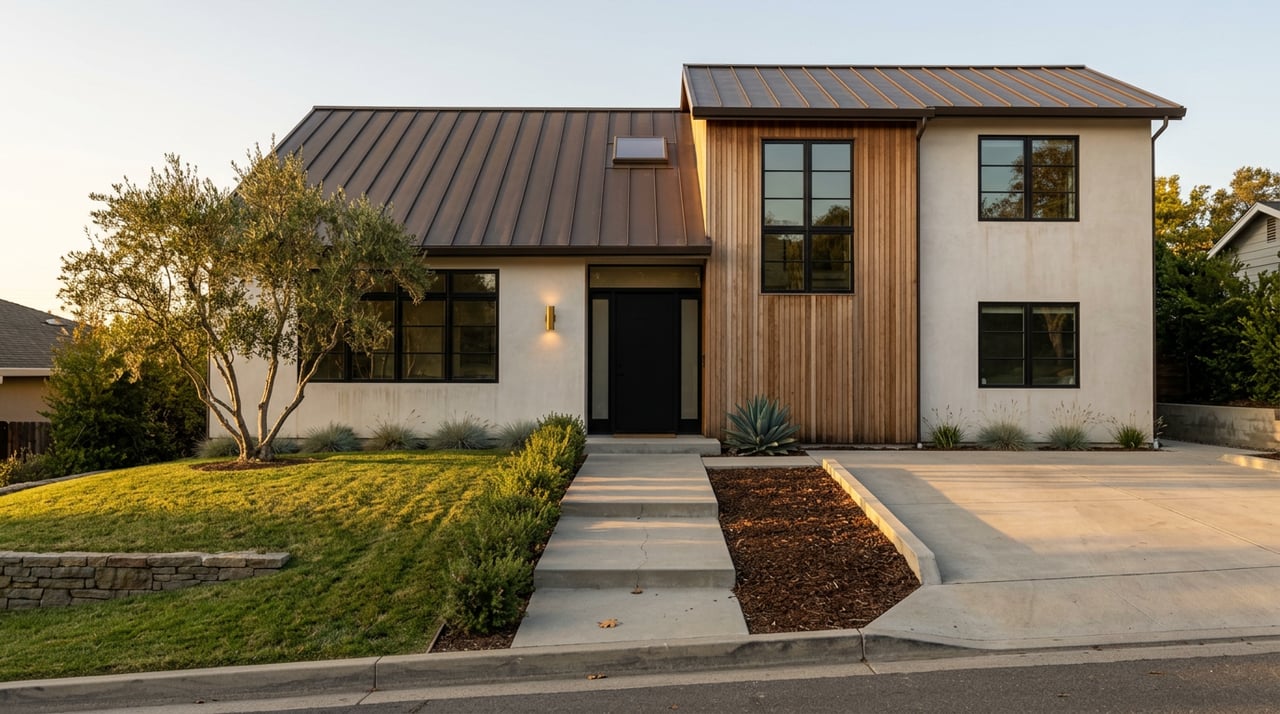
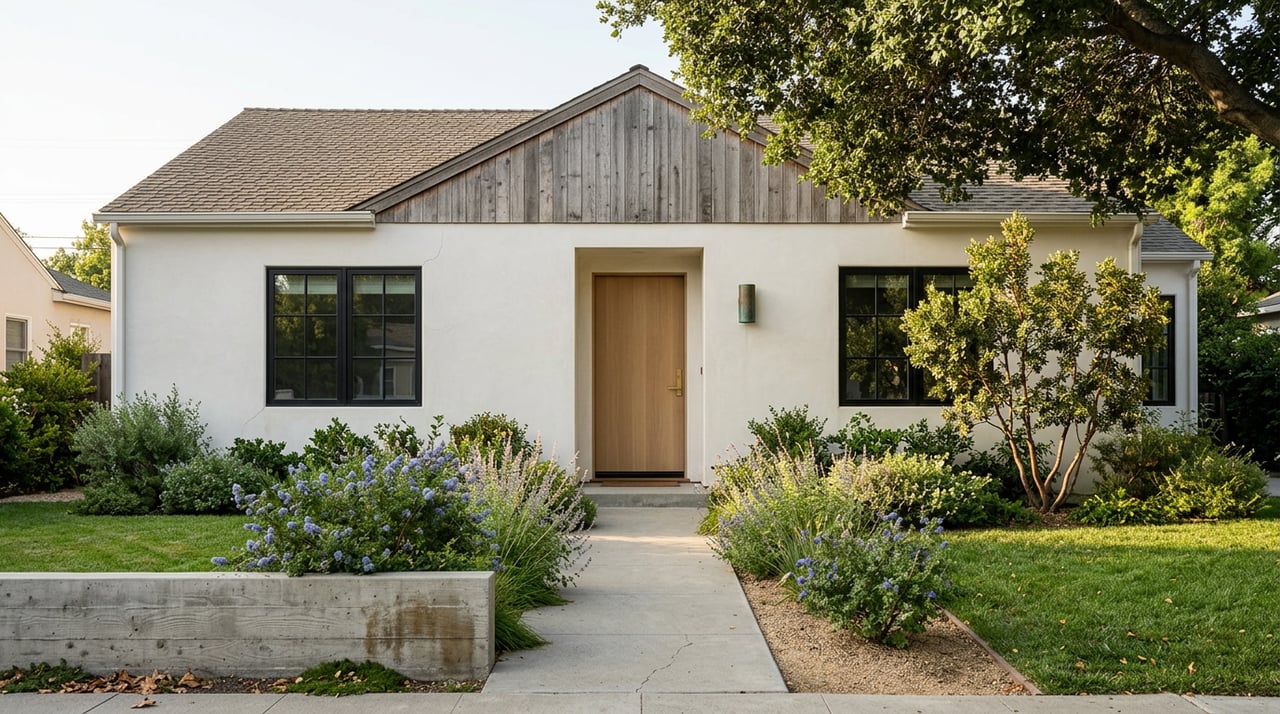
For a midcentury home, the lead image should usually show the feature that best explains the house. In some homes, that is the exterior facade and roofline. In others, it is a wall of glass, a fireplace, or the indoor-outdoor transition that captures the home’s lifestyle and design appeal.
The photo order matters too. Buyers should quickly understand the home’s flow, natural light, and architectural highlights. If the strongest features appear late in the gallery, you may lose attention before the listing has made its case.
San Rafael is active, but citywide numbers only tell part of the story. As of February 2026, Redfin reported a median San Rafael sale price of $1.34 million, about 2 offers per home, 36 median days on market, and a 99.8% sale-to-list ratio. A Zillow snapshot for March 31, 2026 showed a typical home value of $1,319,431, 134 active listings, 22 median days to pending, and a 0.993 median sale-to-list ratio.
Those figures suggest an engaged market, but they do not price your home. Midcentury properties often need a more tailored comp strategy because buyers are not comparing them to every home in the city.
For a distinctive San Rafael home, the best comparable sales are usually from the same neighborhood or a truly competing area with similar buyer appeal. Fannie Mae’s comparable sales guidance says comps should come from the subject property’s market area when possible, and that unique properties may require older or competing-area sales when they are the best indicators and are properly explained.
The Appraisal Institute also emphasizes selecting comparables that are similar in location, size, condition, and other relevant features. Freddie Mac’s seller guidance likewise notes the importance of a detailed market analysis based on similar local homes.
For a San Rafael midcentury listing, that usually means looking at:
This matters because San Rafael values vary widely by area. Zillow’s local snapshot shows that citywide values span a broad range, which is another reason to avoid relying on averages alone.
A design-forward home can attract strong interest, but only if the pricing reflects the actual buyer pool. If you overprice a distinctive home because it feels special, buyers may hesitate. If you underprice without a strategy, you may miss the chance to leverage presentation and competition.
The strongest pricing plan usually balances three realities:
That kind of pricing is more nuanced than plugging your address into a citywide average. It requires careful selection of comps, clear adjustment for condition and design appeal, and a realistic view of what buyers will notice right away.
If you are preparing to list a midcentury home in San Rafael, think in terms of clarity, not conformity. Preserve what defines the home, improve what creates doubt, and market the architecture with discipline.
That approach respects both the style of the property and the realities of the local market. If you want a thoughtful plan for presentation, pricing, and buyer positioning, Diana Sweet offers personalized seller guidance with a design-aware, data-driven approach.
Stay up to date on the latest real estate trends.
Whether you are a first-time homebuyer or upgrading or downgrading and need to sell, there are always questions and concerns. I want to answer your questions and make sure you know that we can accomplish your needs and desires. Where there is a will there is a way. I look forward to working with you.