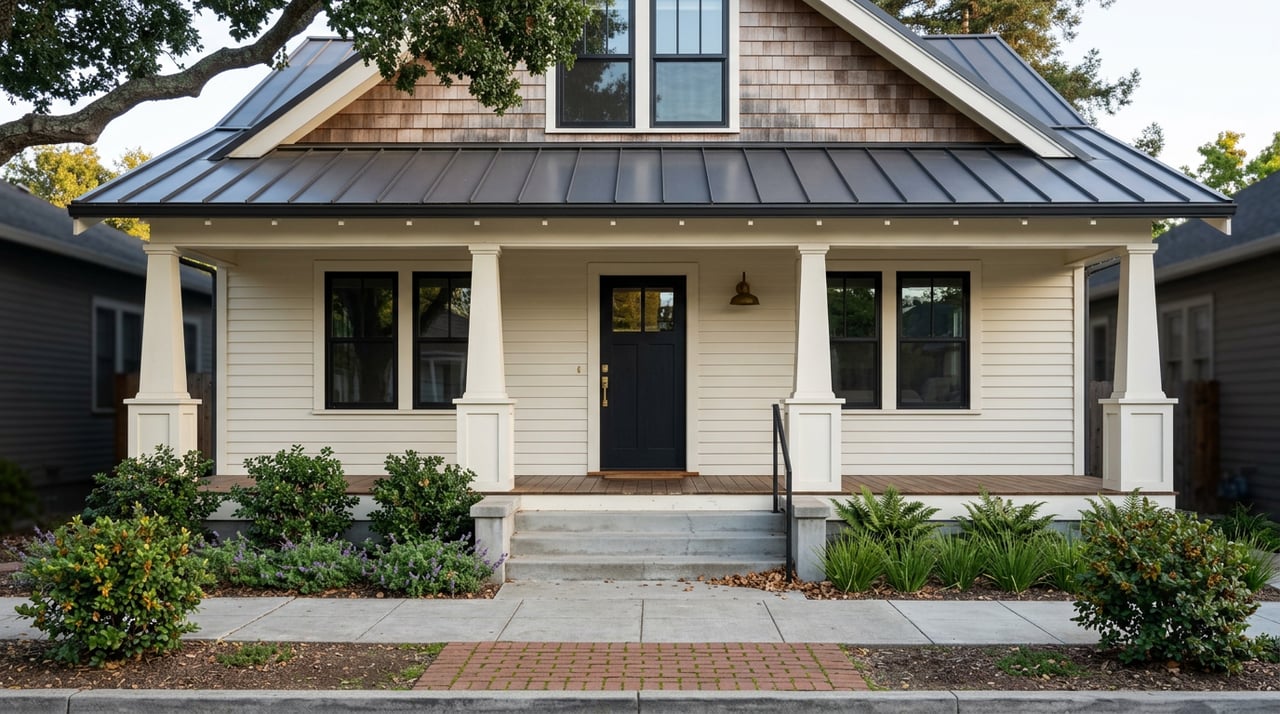
Living In Oakland’s Historic Neighborhoods: Style And Lifestyle
March 5, 2026
March 5, 2026
Love original woodwork and walk-to-everything streets? Oakland’s historic neighborhoods offer both style and an easy daily rhythm, from leafy bungalow blocks to elegant lakeside apartments. If you’re weighing character against convenience, you have options that blend architecture, parks, culture, and transit. In this guide, you’ll learn where the design details shine, how each area feels day to day, and what to know about permits and upgrades before you buy. Let’s dive in.
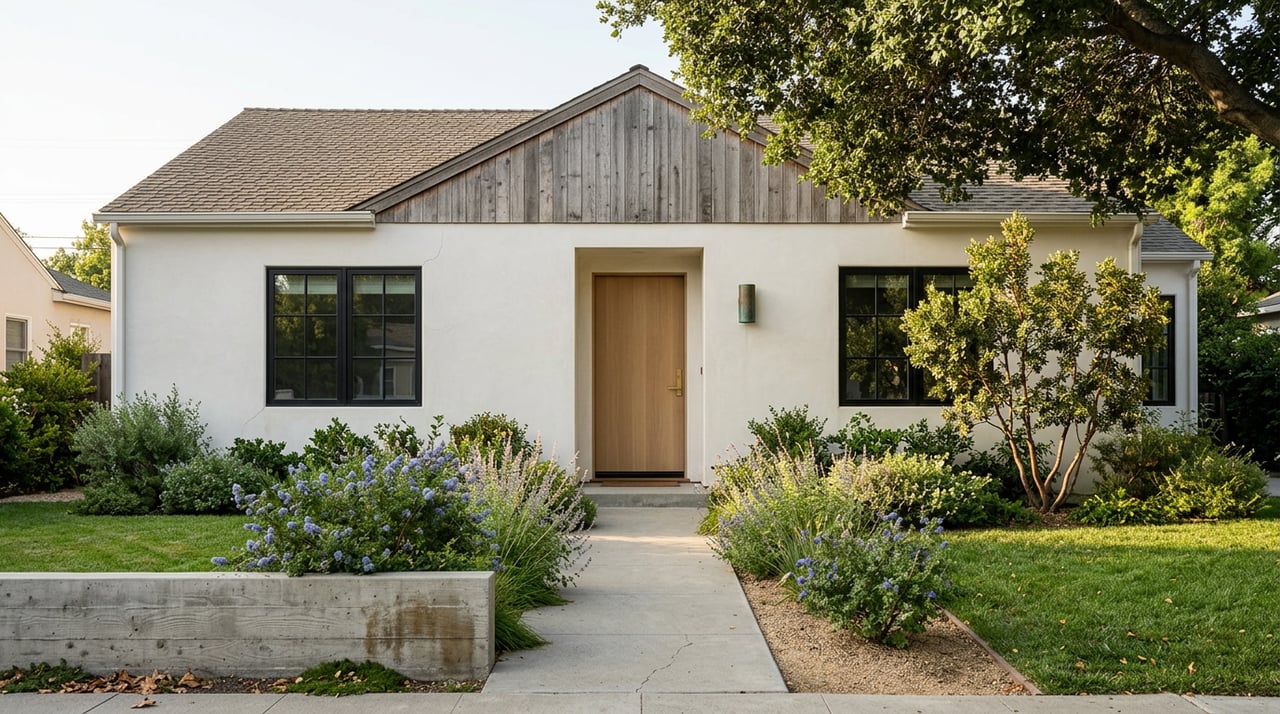
Oakland’s older districts stand out for mature street trees, gardened lots, and intact period architecture you can spot from the sidewalk. Craftsman bungalows, romantic Mediterranean and Tudor revivals, and Art Deco apartment houses give each block a distinct personality. A city preservation program documents landmarks, Heritage Properties, and neighborhood Preservation Districts, which help protect character and guide design review. You can explore how designation and review work on the city’s Historic Preservation page at the City of Oakland’s program overview.
Lifestyle is a major draw. Lake Merritt’s three-mile path and lakeside parks make daily runs, dog walks, and picnics part of normal life. The Lakeside Apartments District near Lake Merritt blends striking Art Deco lobbies with easy access to gardens and the water.
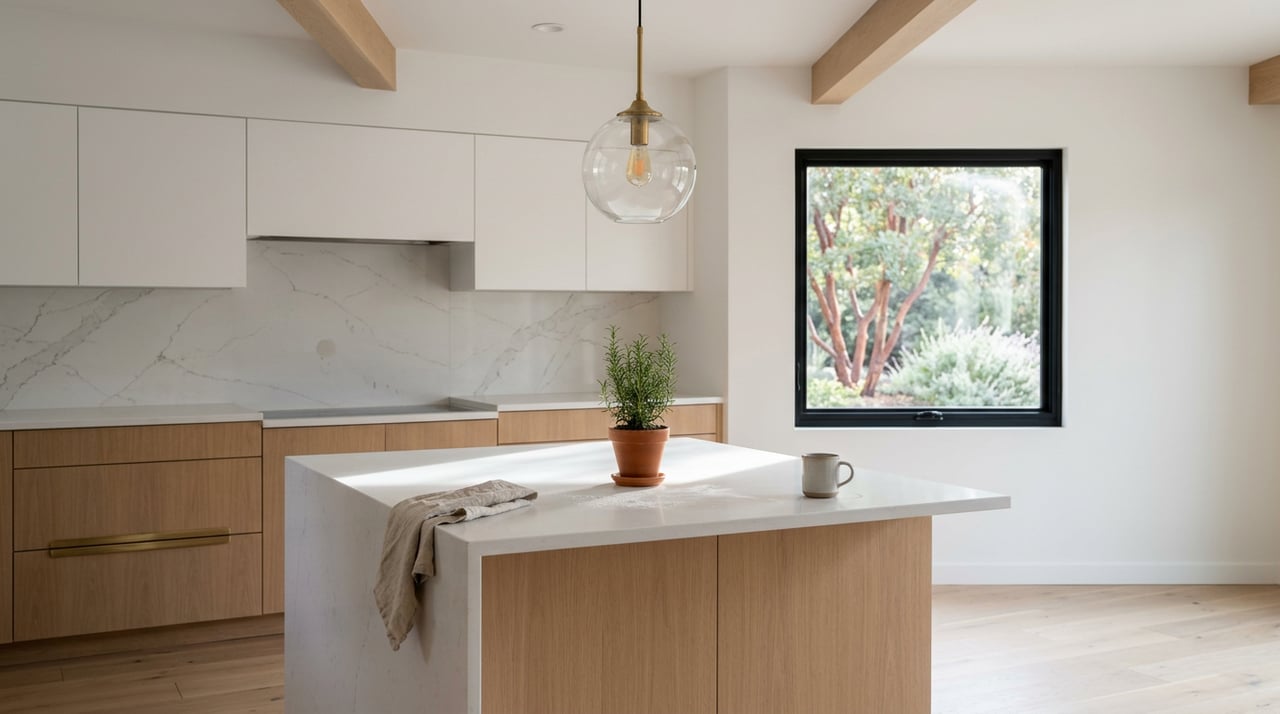
Design-minded buyers often look for original millwork, fireplace tile, tall windows, and intact floors. Many owners modernize kitchens and baths while keeping period details for a balanced, timeless look.
Here, lively Grand and Lakeshore Avenues meet the calm of Lake Merritt. You’ll see historic single-family homes mixed with early 20th-century apartment buildings, plus iconic landmarks and a popular Saturday farmers market. Streets feel urban and walkable, with stoops and smaller front yards that keep neighbors connected.
What to know:
A classic streetcar-era “transit village,” Rockridge centers on College Avenue’s cafes, groceries, bookshops, and restaurants, all a short walk from BART. Side streets showcase Craftsman bungalows, revival-style homes, and cottage gardens. The scale is human and warm, which many buyers prize for everyday ease. Planners call it one of Oakland’s most walkable historic areas in the Rockridge profile.
What to know:
An eclectic, food-forward stretch along Telegraph and 40th blends small Craftsman cottages, Edwardian-era homes, and compact apartment buildings. Blocks feel active, with immediate access to restaurants, galleries, and makers.
What to know:
Curving, landscaped streets east of the lake showcase substantial early 20th-century homes in Craftsman, Prairie, and Mediterranean or Tudor revival styles. The setting is quieter and park-like, with terraced lots and mature specimen trees.
What to know:
Near downtown and Lake Merritt, you’ll find clusters of restored Victorians and early luxury apartment blocks. Ornate facades and period lobbies tell Oakland’s story at a very walkable scale.
What to know:
Main-street living is part of the charm. College Avenue in Rockridge, Grand and Lakeshore, and Telegraph’s Temescal spine offer groceries, coffee, and dining within minutes. The Oakland Museum of California and Uptown theaters add steady cultural energy. Many historic neighborhoods formed around streetcars, and today’s BART stations and frequent bus routes keep that transit DNA alive, as highlighted in planning studies of Rockridge’s transit village.
Oakland designates Landmarks, Heritage Properties, and Preservation Districts. Designation helps preserve character and can trigger design review for exterior changes, while most interior work is more flexible. If you are exploring a renovation or addition, start with the city’s Historic Preservation overview to understand process, protections, and how the California Historical Building Code may apply.
Some qualified historic properties may benefit from the Mills Act, a state program that can reduce property taxes in exchange for committed rehabilitation and maintenance. Local participation and rules vary, so confirm city implementation and eligibility.
If you want a home that matches your taste and your routine, you deserve a methodical, design-savvy partner. As a Bay Area native and physician-turned-advisor, I bring disciplined due diligence, neighborhood insight, and a clear plan from first tour to final walkthrough. Whether you’re buying a Craftsman near College Avenue or selling a Mediterranean in the hills, I help you weigh style, inspection findings, and permit pathways so you can move forward with confidence.
Ready to explore Oakland’s historic neighborhoods? Start a curated search, get a data-backed valuation, or ask for a neighborhood consult with Diana Sweet.
Stay up to date on the latest real estate trends.
Whether you are a first-time homebuyer or upgrading or downgrading and need to sell, there are always questions and concerns. I want to answer your questions and make sure you know that we can accomplish your needs and desires. Where there is a will there is a way. I look forward to working with you.